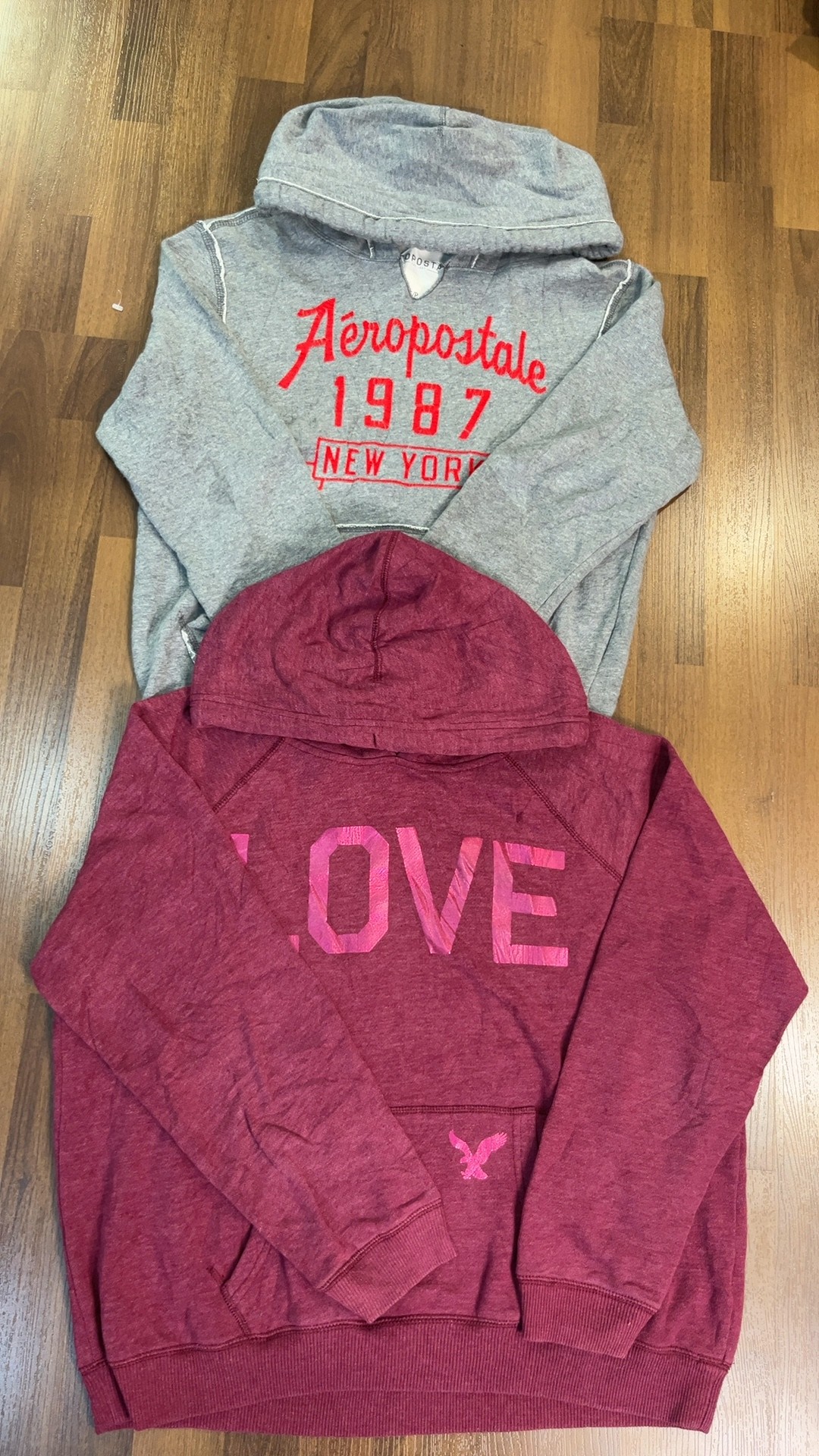
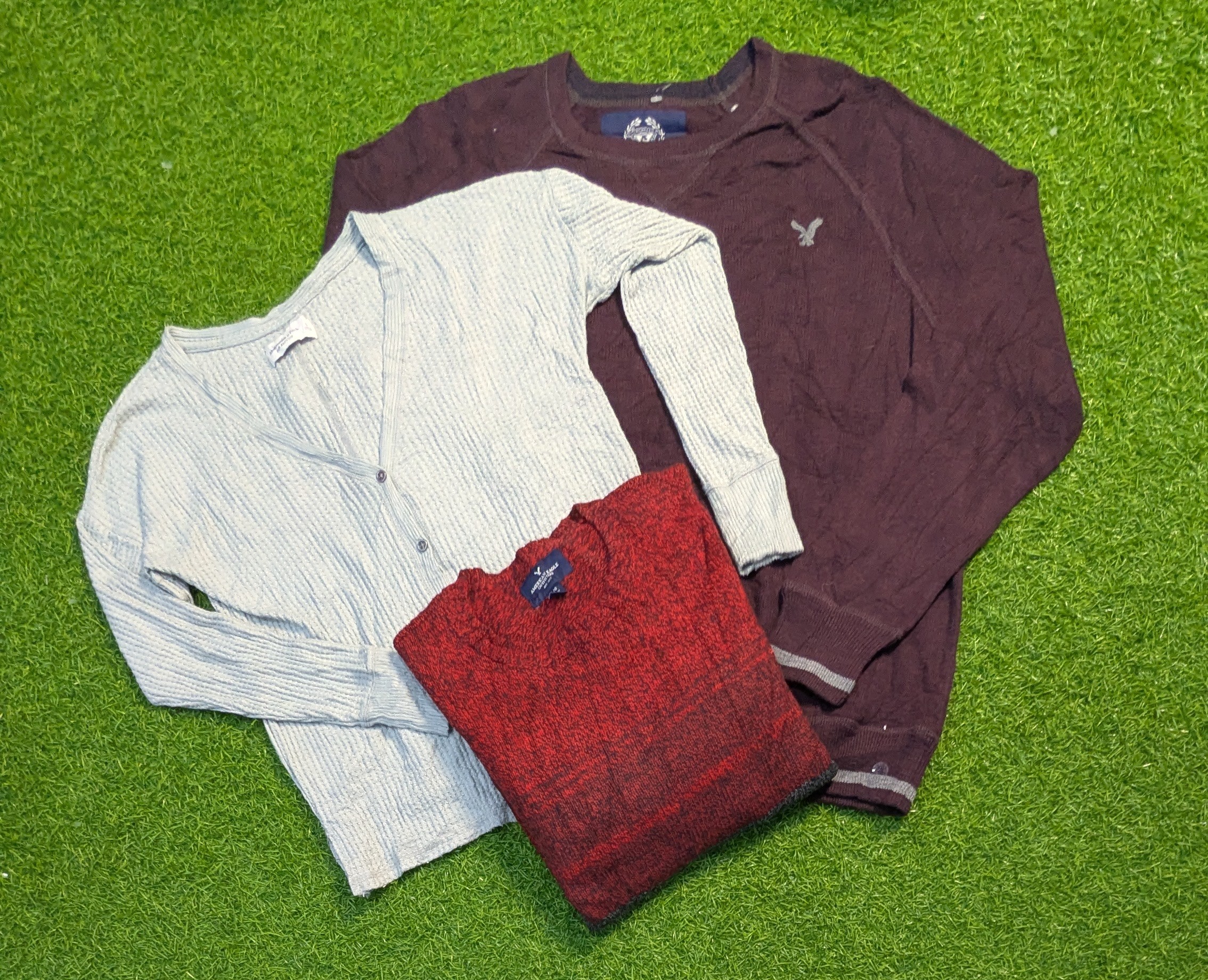
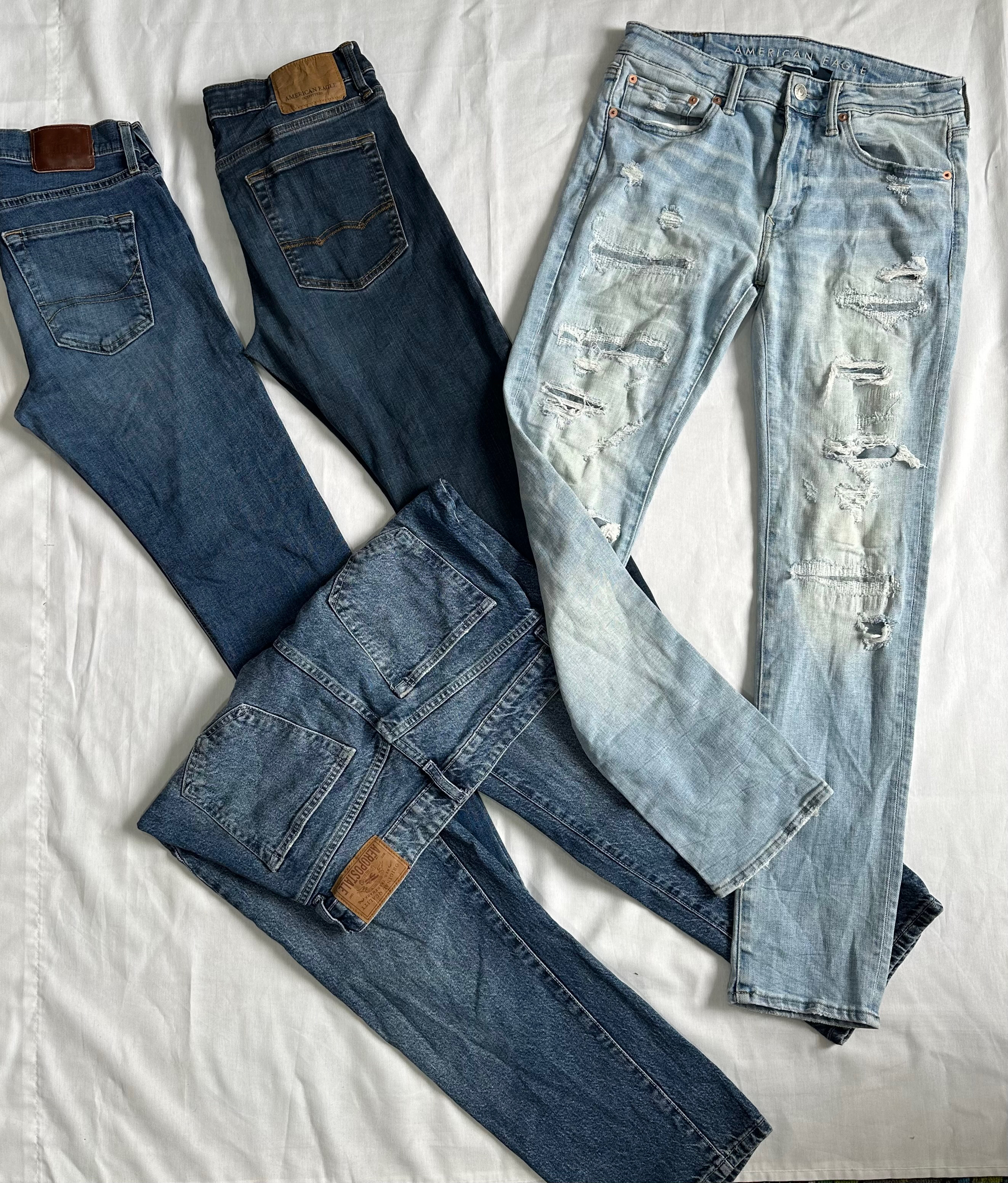
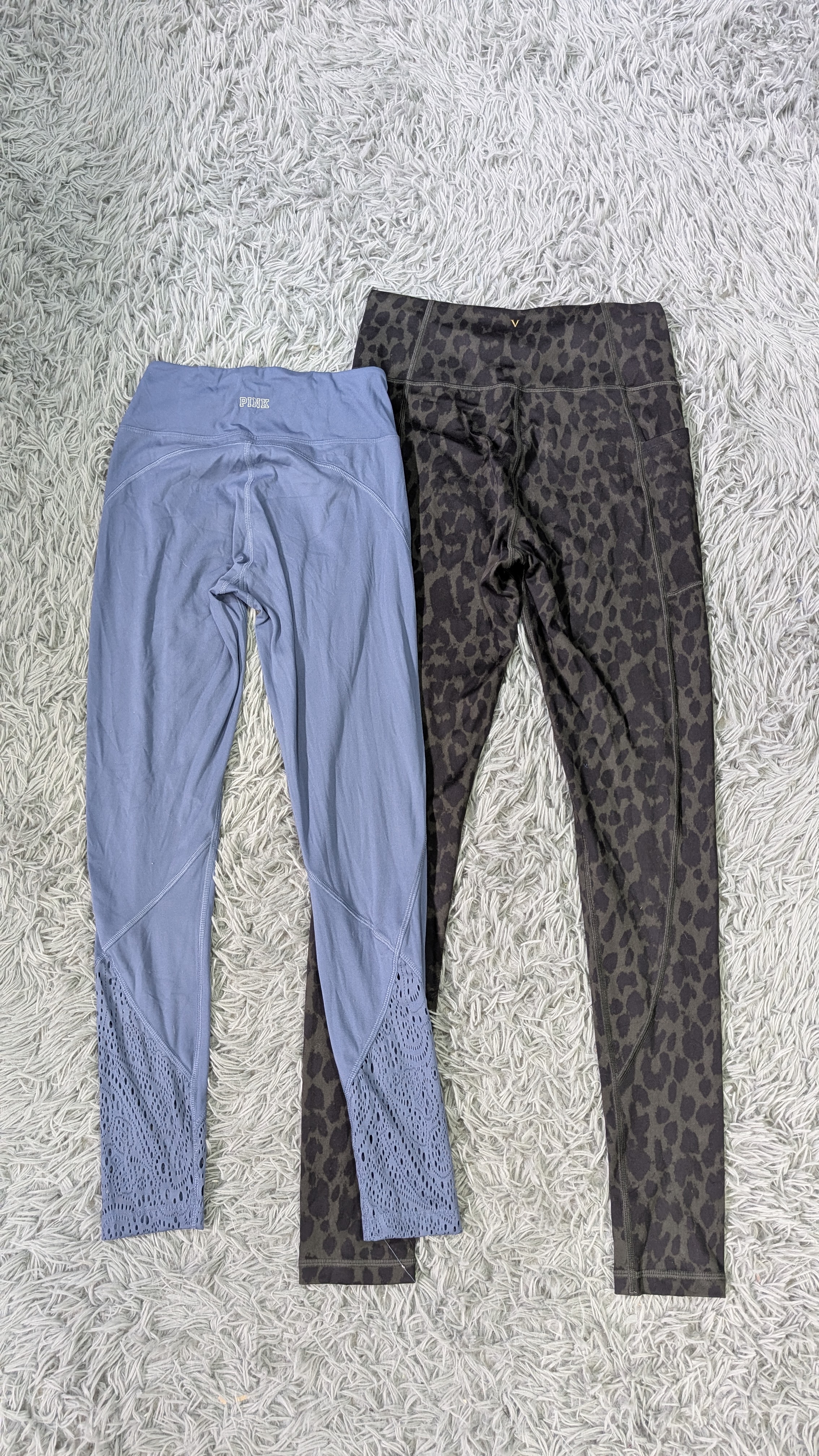
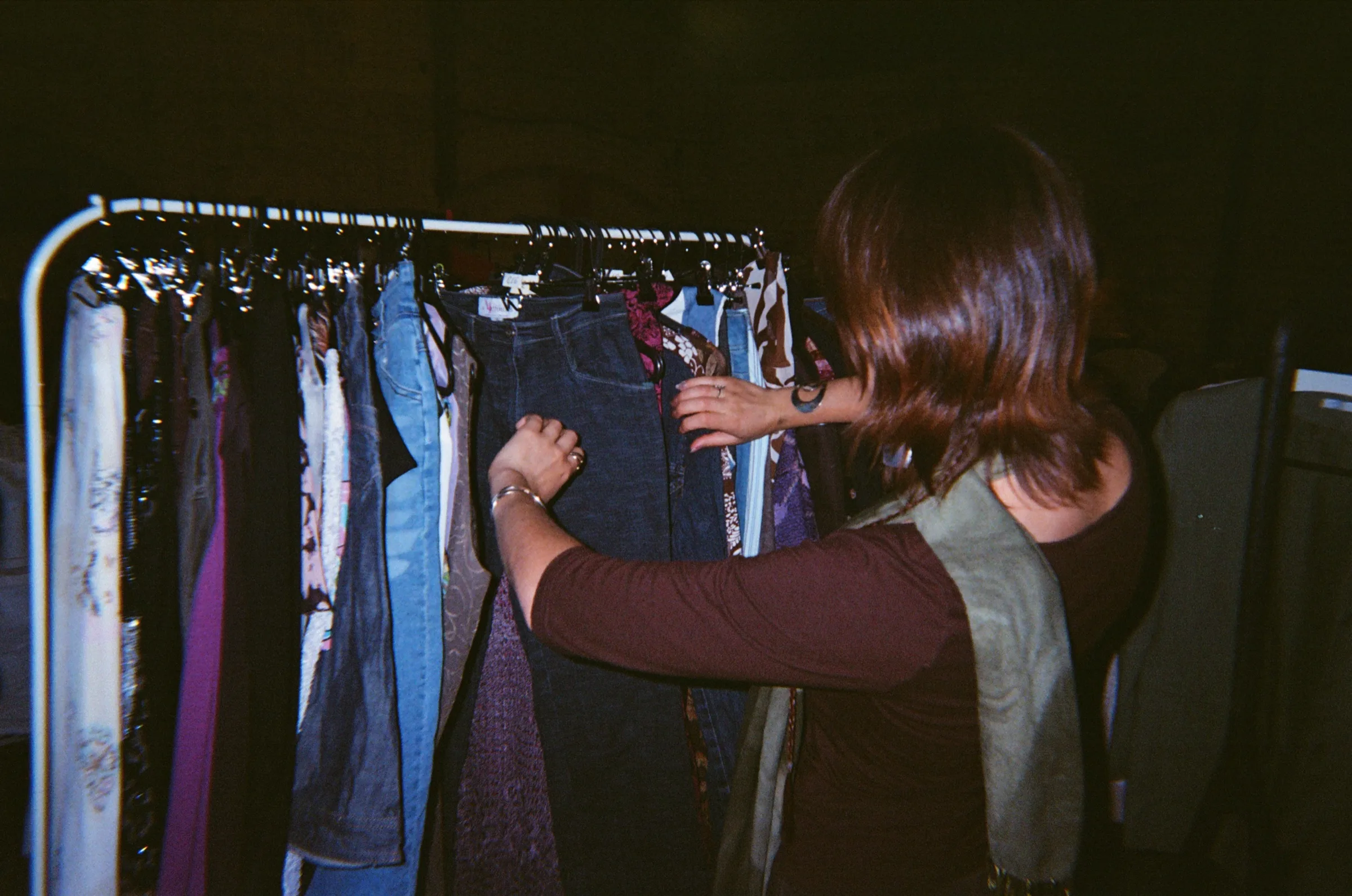
A reseller pulling a pair of jeans from a packed rail at a vintage market
Fleek presents

The State ofResale

Autumn / Winter 2026

Secondhand fashion has moved from the margins to the mainstream, and the people powering it are changing just as fast.

Resale is professionalising at speed. Six in ten resellers are running or building a full-time business, four in ten switched platforms in the past year, and more than half sell live or are about to. This report pairs what resellers told us with what they searched for, bought and stocked on Fleek to show what's moving into AW26.

At a glance

Why they sell
72%

resell for extra income

Platforms
41%

left at least one reselling platform in the past year

Live selling
56%

sell live already, or plan to start

Sourcing
63%

say sourcing and listing are their biggest frustrations with reselling

Chapter One

Rise of the Reseller

Reselling used to be something people did at the weekend. It is now a career, a way into fashion that needs no degree, no internship and nobody’s permission, built one sale at a time. Six in ten resellers are running a full-time business or working towards one.

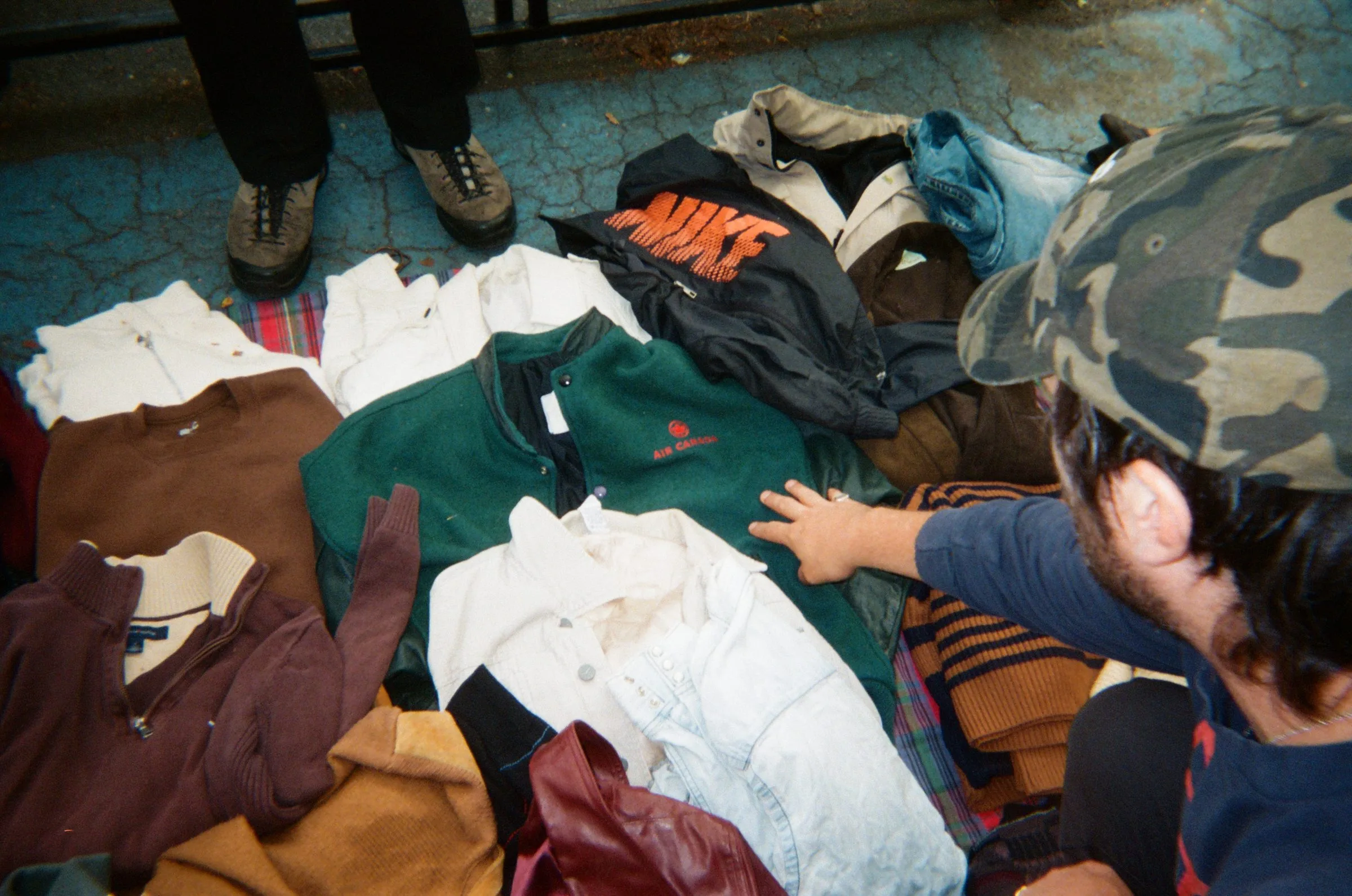
A reseller sorting sweatshirts and polo shirts laid out on the ground

Anything’s possible if you put your time and effort into it.

Scot, UK · part time · under 6 months

Money motivates

Ask a reseller why they do it and you'll almost always hear the same first answer.

72%resell for extra income, the answer that comes first, by a distance

  • The income

    72% of resellers chose extra income, the first answer nearly three in four resellers give.

  • The love

    35% of resellers name a love of fashion, the second most common reason and the one that keeps people in it.

  • The thrill

    32% of resellers do it for the thrill of the find, sourcing as the reward, not the chore.

  • The pivot

    20% of resellers are replacing a job, either as a career change or the supplement that funds one.

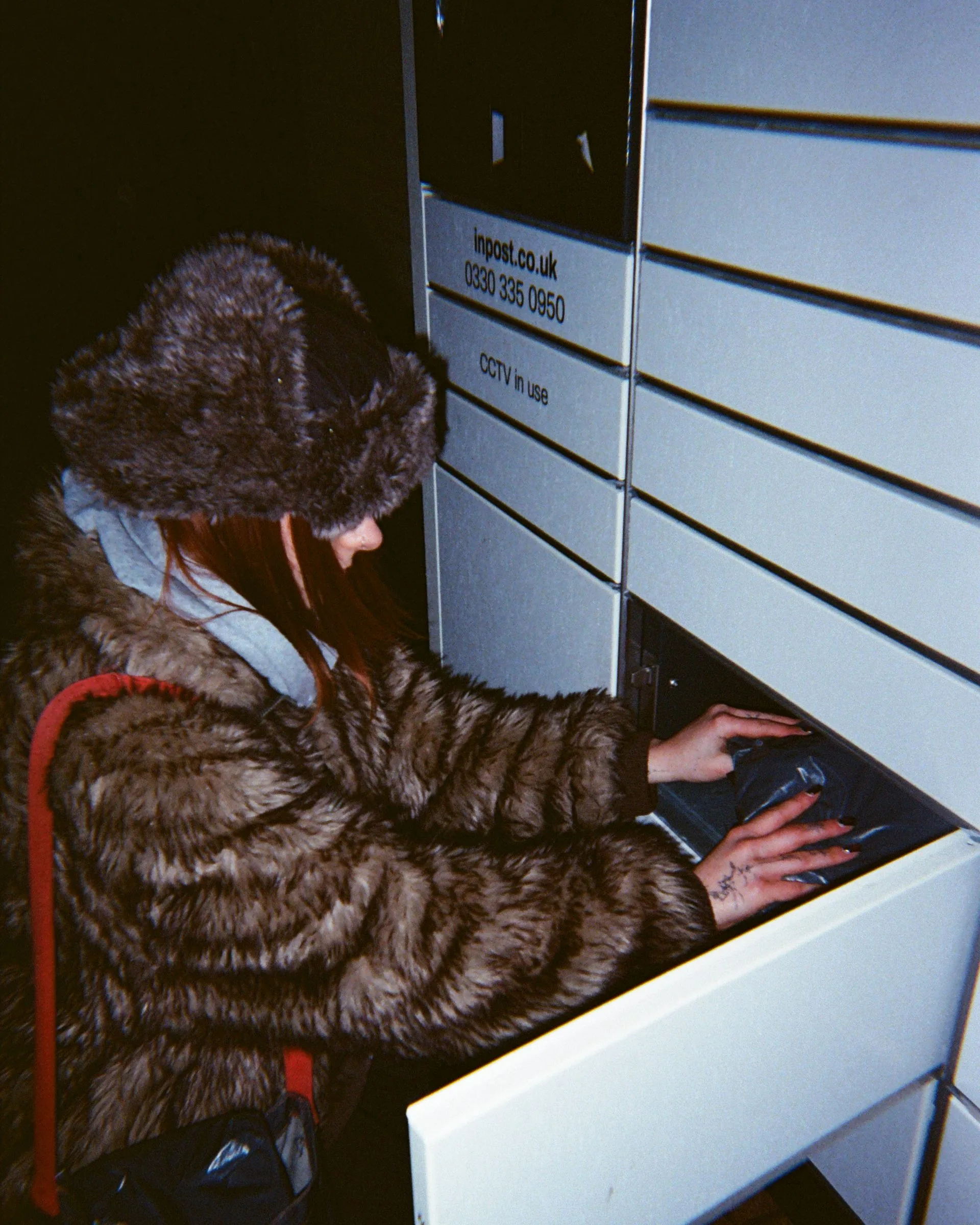
A reseller in a fur coat posting a parcel into a locker at night

The step to full-time

The leap isn't something people make at the start. It's something they grow into. The longer someone has been reselling, the more likely they are to have gone full time, and the climb is remarkably steady.

Full time (blue)Part timeOccasional
63%

of full-time resellers earn 76–100% of their personal income from resale.

85%

of resellers work entirely alone. Just 4% employ anyone at all, an industry professionalising one person at a time.

Straight from the reseller

Not everyone wants to turn reselling into their full-time job, but I knew I did. I looked at what I was already making part time and whether I genuinely believed I could replace my salary and keep growing the business. It was scary and I had to really trust myself and my determination to make it work, but now the business is turning over six figures a year.

Jess, UK · full time · 2 years

Three generations, three different mindsets

Reselling is cross-generational, but the reasons behind it vary sharply by age, each group brings its own motivations to the table.

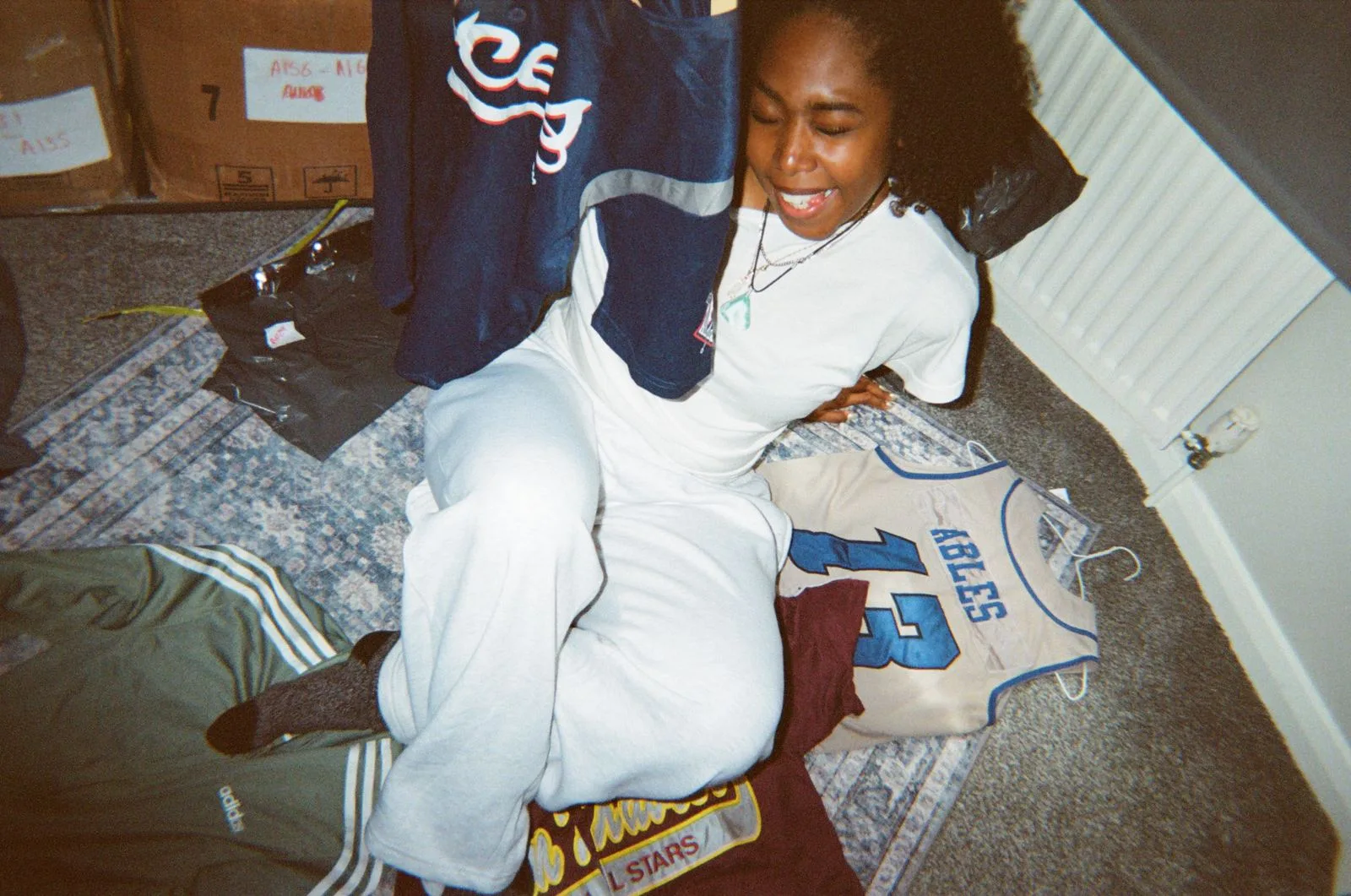
A young reseller sitting among sports jerseys and streetwear
Aged 18–25

Gen Z

The money matters, but it isn't the whole point. They over-index on fashion, community and sustainability, the generation most likely to see reselling as a way to keep great clothes out of landfill.

Biggest motivators

  1. 1Community
  2. 2Love of fashion
  3. 3Sustainability

It's a way of recycling, bringing people one-of-a-kind items before they end up in landfill, and a way of sprucing up people's wardrobes!

Jess, UK · part time · 1–2 years

What Gen Z has to say

Curated, handpicked Y2K and 90s womenswear. Printed mesh, embroidery, silk and embellished pieces with an emphasis on fairy and whimsy styles. Affordable, with a range of sizes.

Millie-Anne, UK · part time · 3–5 years

Hopefully the community weeds out the people who are simply in it for the money, the ones who don't practise sustainability or offer size and gender inclusivity.

Lily, USA · full time · 3–5 years
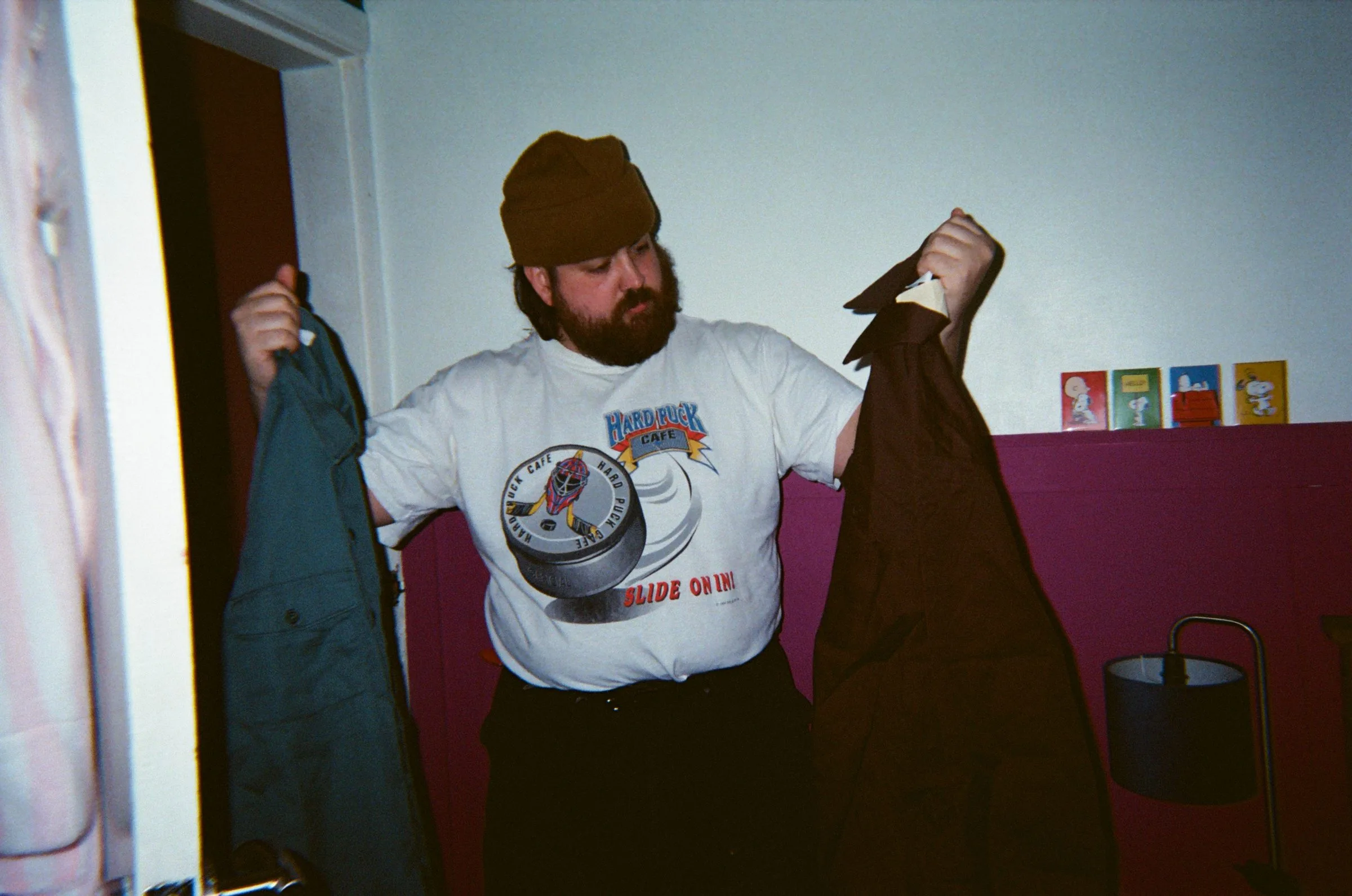
A reseller holding up two jackets at home
Aged 26–45

Millennials

Reselling is a way to redesign working life around everything else. They're 81% more likely than average to cite flexibility or childcare, and a quarter more likely to be working towards replacing a job.

Biggest motivators

  1. 1Flexibility or childcare
  2. 2Replacing a job
  3. 3The thrill of the find

Family-owned start-up business, run by a stay-at-home mom.

Rosa, USA · occasional · under 6 months

What Millennials have to say

I sell all things funky! I don't focus on the brands but on the pieces themselves, sourcing items that are unique, stand out and can't be found anywhere near the high street.

Jack, UK · full time · 5+ years

I would like to have left my job and become self-employed, doing it full time.

Ashley, UK · part time · under 6 months
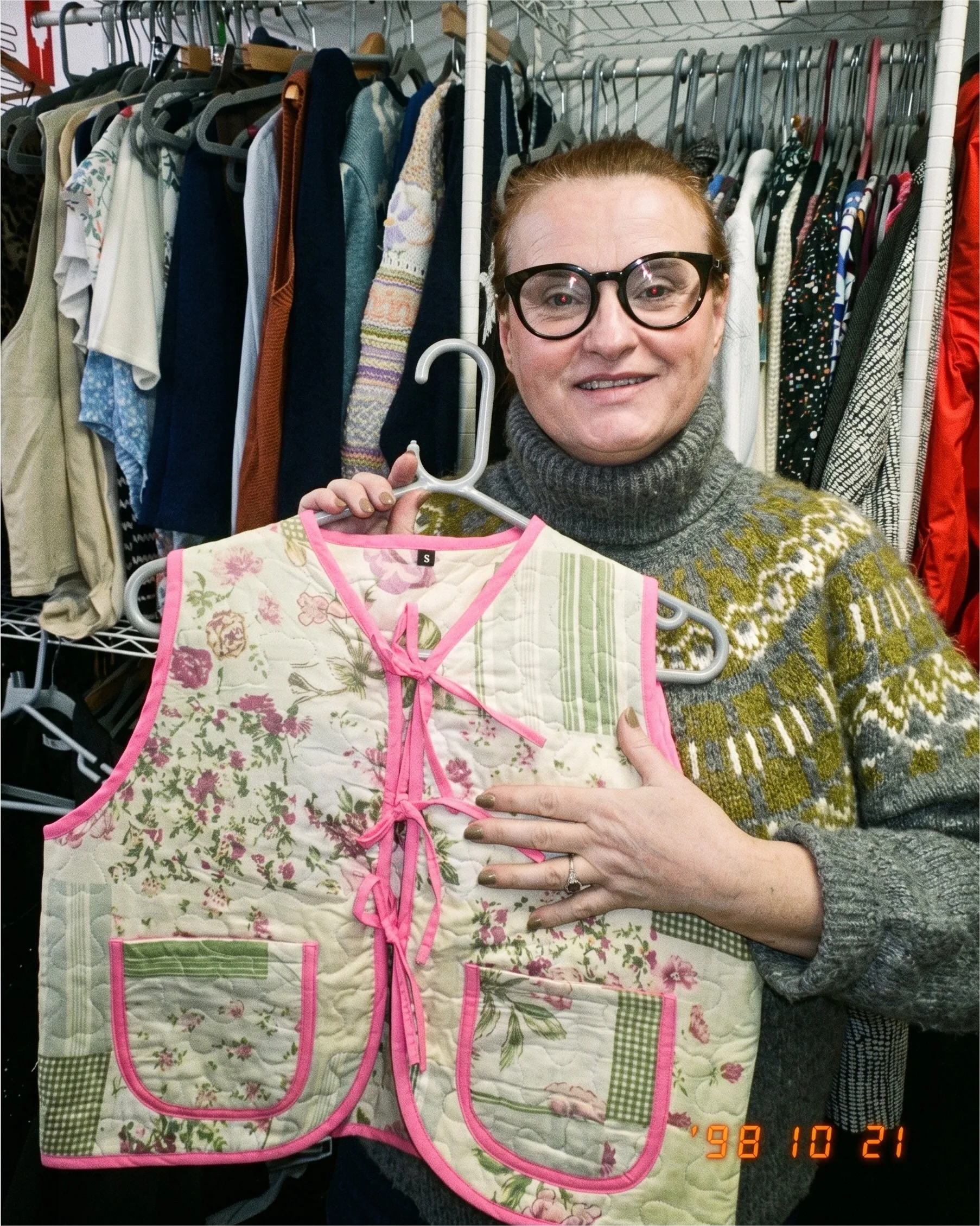
A reseller holding up a floral quilted waistcoat in a charity shop
Aged 46–60

Gen X

The most goal-driven resellers of all, far less likely to be in it for fashion or community. Reselling here is a business with a clear purpose, whether that's clearing debt or funding a better life.

Biggest motivators

  1. 1Replacing a job
  2. 2Community
  3. 3Love of fashion

I resell to clear debt, renovate our house and have lovely holidays. Reselling helps me get the life that I want and enjoy.

Lynne, UK · part time · 5+ years

What Gen X has to say

I source desirable pre-owned branded clothing, carefully selecting pieces for quality, condition and resale value, then sell them online at accessible prices.

Brian, UK · part time · under 6 months

I started small, with mistakes, but slowly found good suppliers with good-quality clothing. Now I have three or four suppliers I deal with.

Martin, UK · part time · 3–5 years

Chapter Two

Battle Between Platforms

Resellers move without sentiment: 41% left a platform in the past year. Where the money is actually made, why sellers walk away, and how live selling is pulling them somewhere new.

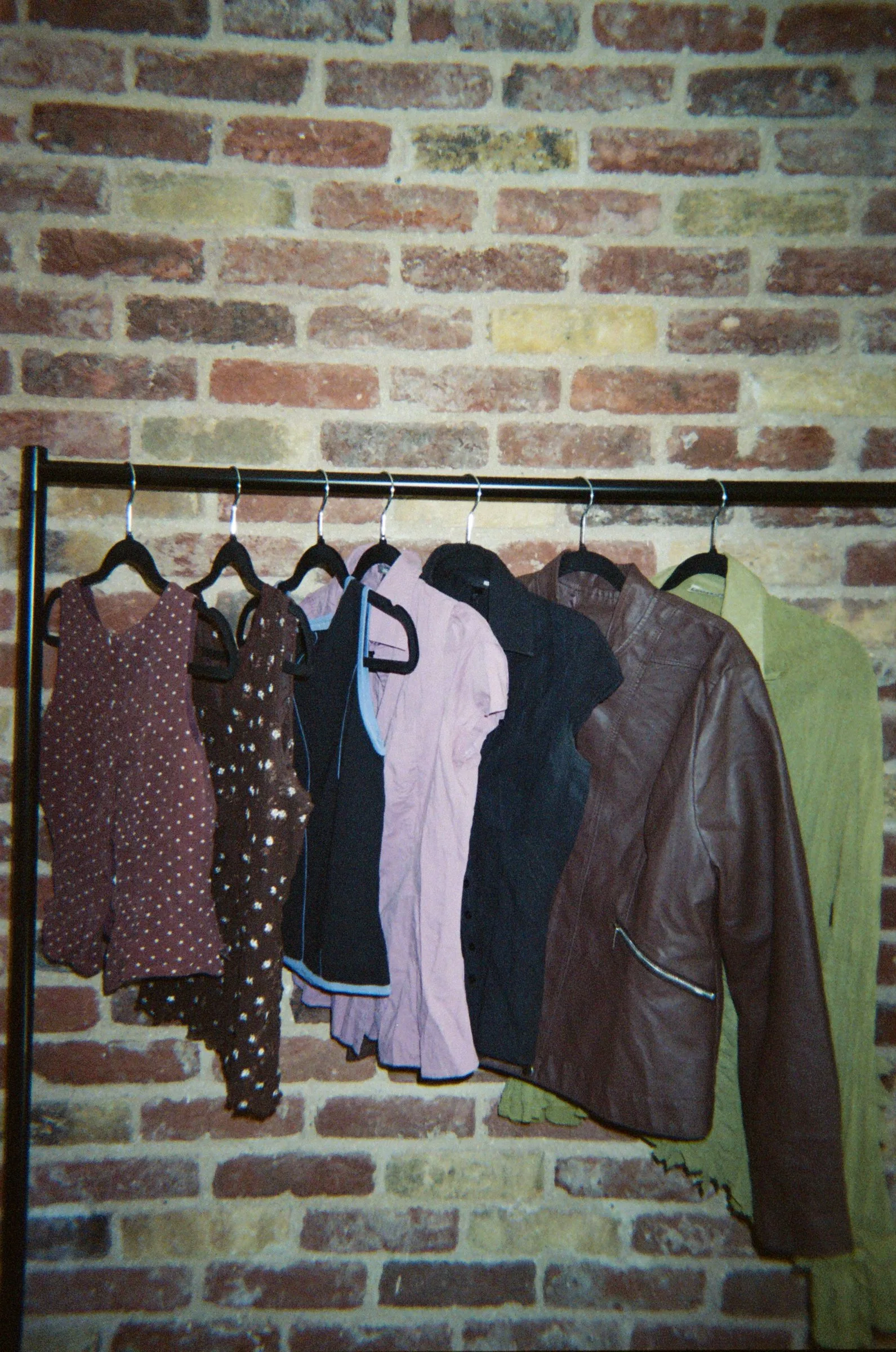
A rail of coats and dresses hanging against a bare brick wall

I would love to move to my own website, or at least Instagram, to become more independent from relying on sites and apps that can be unpredictable.

Breanna, New Zealand · full time · 3–5 years

The Vinted paradox

96% of UK and EU resellers sell on Vinted, and 79% say it earns them the most money, more than ten times its nearest rival. So: are resellers actually making the most money on Vinted?

Among resellers who sell on more than one platform, giving us a genuine comparison, Vinted is still the platform most often named as their biggest earner.

But there’s a more nuanced picture. Resellers who say Vinted is their biggest earner have a median turnover of £500 a month, compared with £1,375 among everyone else. That doesn’t necessarily mean Vinted sellers earn less because of the platform: it may partly reflect the fact that smaller or newer resellers are more likely to rely on Vinted alone, while higher earners tend to diversify across several platforms.

Fig. 01

Reach, earnings and what sellers turn over

PlatformSell thereEarn most thereMedian monthly sales of those sellers
Vinted96%79%£500
eBay51%7%£1,375
Depop31%2%£1,375
Whatnot14%4%£3,500
In-person markets10%3%£1,375
A physical shop3%2%£7,500

But sellers move platforms without sentiment

For businesses that depend on platforms for their income, resellers are remarkably willing to move. 41% left at least one platform in the past year, and 84% say there's somewhere new they're likely to start selling next.

Why they’re moving…

As platforms scale up moderation, sellers running legitimate businesses believe they are being caught by systems built to spot bad actors.

33%of UK and EU resellers have had a selling account suspended, banned or restricted. Of those incidents, 89% happened on Vinted

  • The accusation

    31% of ban stories were a counterfeit or fake-item accusation, on goods the seller says were genuine.

  • The algorithm

    25% explicitly blamed automated bot or AI detection rather than a human review.

  • The upgrade

    23% were flagged for commercial selling, or pushed onto a Vinted Pro account.

  • The detail

    9% came down to photo or listing-quality flags, with another 9% told they were simply selling too much.

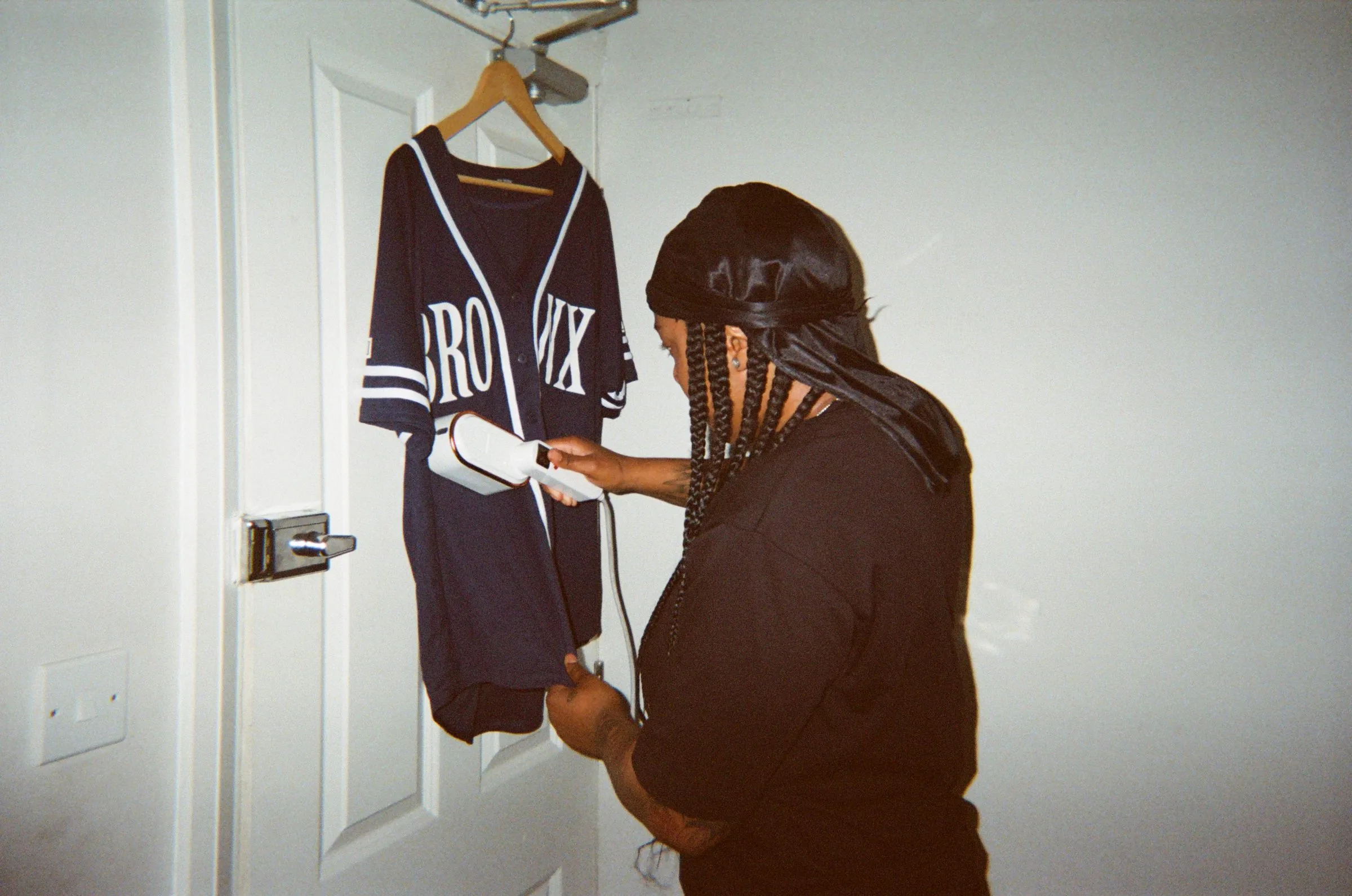
A reseller steaming a Bronx baseball jersey hanging on a door

Straight from the reseller

Counterfeit items, supposedly. I've never sold anything like that. The algorithm got it wrong. I think it was on a £2 top! I was banned for three months and struggled to get my account back.

Hannah, UK · part time · 3–5 years

I was banned for commercial selling even though I followed their guidelines and set up a Vinted Pro account. They responded saying it was an AI error and reinstated my account.

Grace, UK · part time · 1–2 years

I was having an incredible run on Vinted and was thrilled at the revenue I was making…until recently! I have been given a few Vinted suspensions (like many other sellers!) so I’ve been splitting my stock between eBay.

Kirsty, UK · part time · 5 years
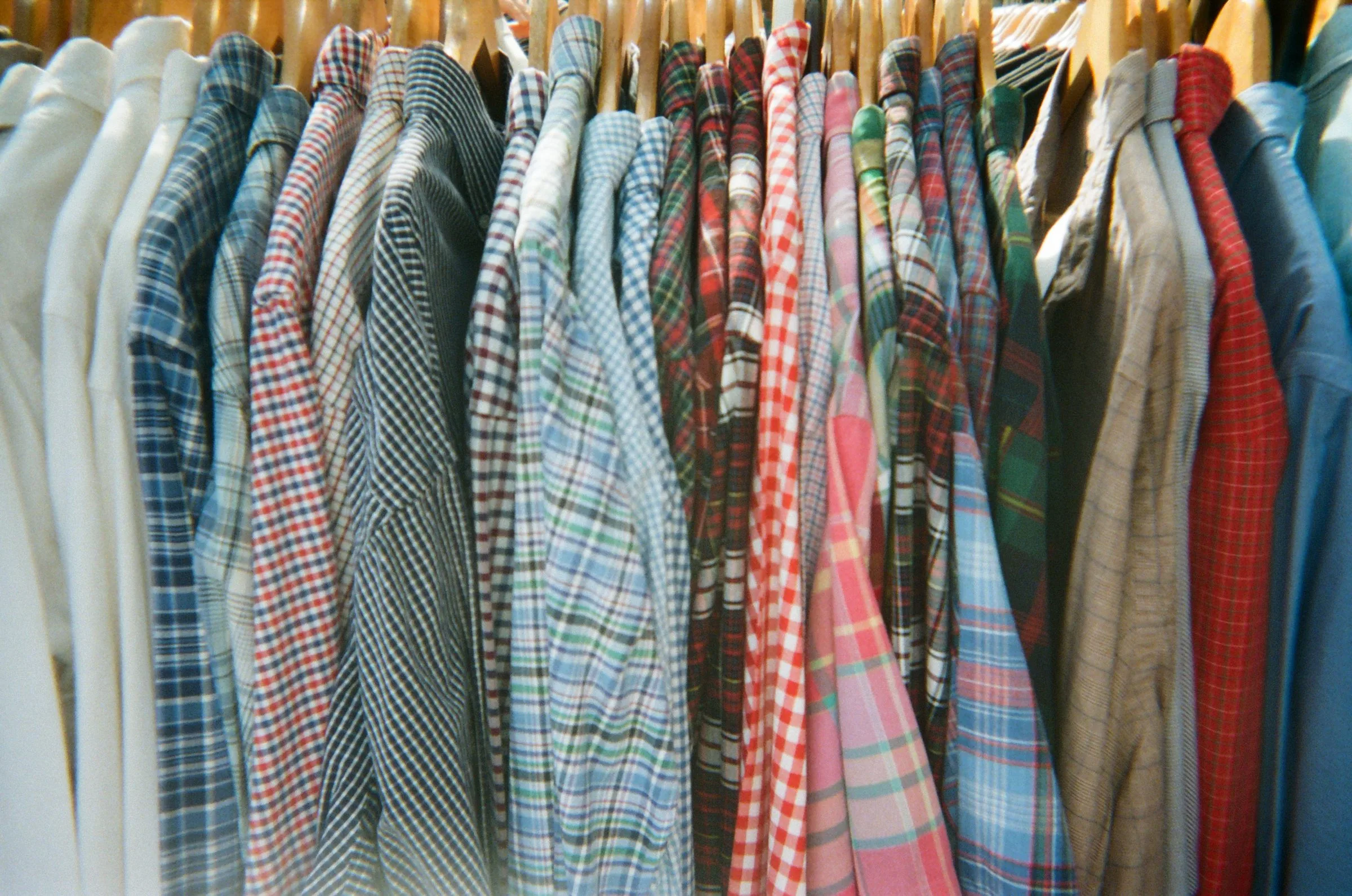
A rail packed with checked flannel shirts on wooden hangers

Why would I wait weeks for inventory to sell when I can move 50+ pieces in two hours? Live selling has completely changed my business.

Elise, USA · full time · 3–5 years

Live selling goes pro

From side-hustle to showtime. More than half of resellers are either on camera or getting ready to be, and live is fast becoming a professional's habit.

The more they commit, the better it works. 79% of resellers who go live regularly say it outperforms standard listings, against just 37% who only go live occasionally. Live doesn't have a mixed record so much as a steep learning curve: it rewards sellers who build a habit around it.

Look at where resellers plan to sell next and the shift is clear. Vinted is still the single most-named destination at 19%, but put the live-first platforms together, Whatnot at 11%, eBay at 12% and TikTok Shop at 8%, and they comfortably exceed it. Just 16% say they aren't planning to sell anywhere new.

27%

already sell live

29%

plan to start

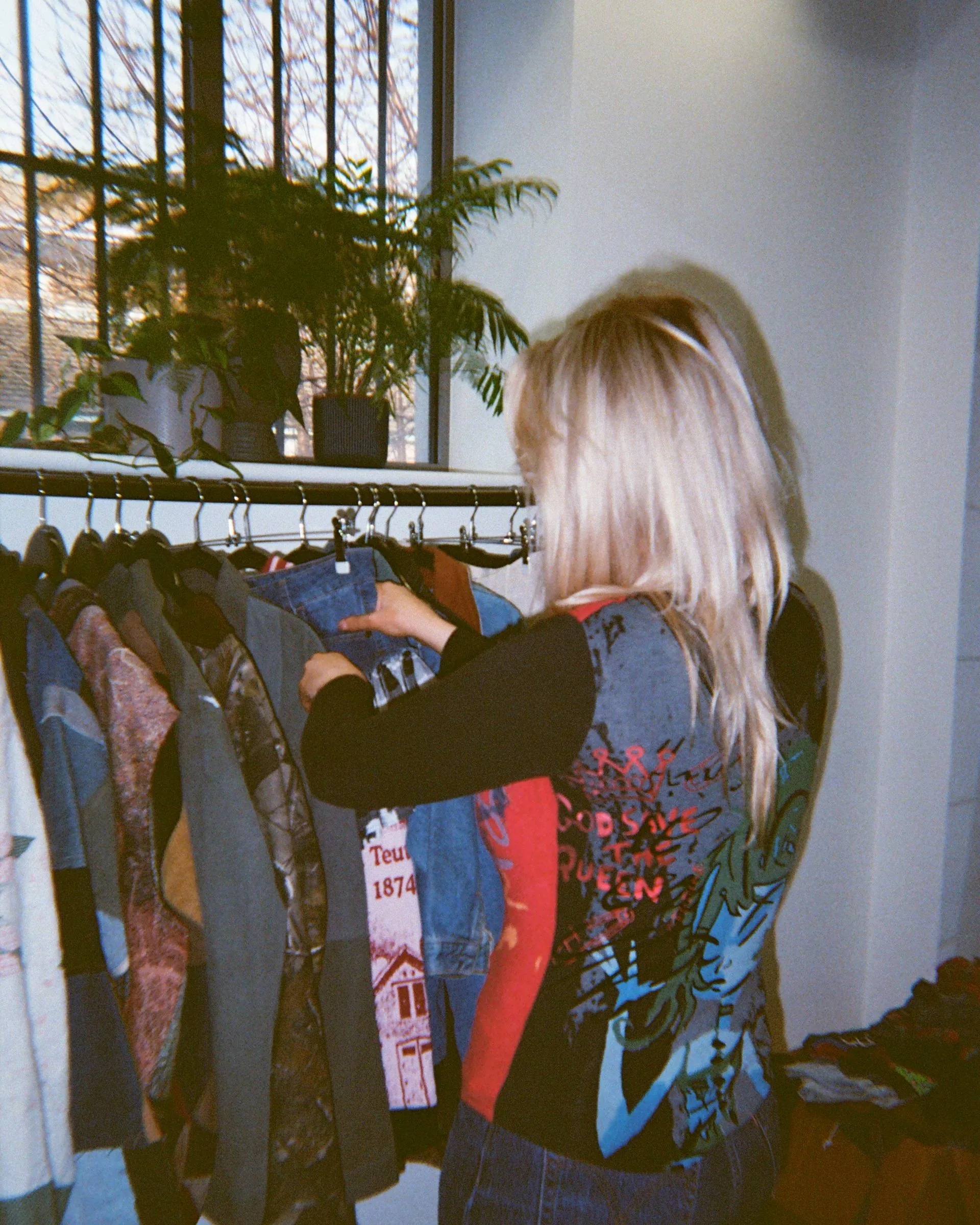
A reseller pulling a denim jacket from a rail beside a window
Stock moves faster live, often at a lower price per piece.
Fig. 03

Where resellers plan to sell next

Yellow marks the platforms with live selling built in.

  • Vinted19%
  • Nowhere new16%
  • eBay live12%
  • Whatnot live11%
  • Depop8%
  • TikTok Shop live8%
  • Own website or Shopify7%
  • In-person markets4%

Live-first platforms combined

31%

Whatnot 11% + eBay 12% + TikTok Shop 8%

vs

Vinted

19%

Still the single most-named destination

Going nowhere new

16%

Everyone else is planning a move

Why live works: it ends the listing grind

One in three (33%) say photographing and listing is the hardest part of the job. Shooting, editing, measuring, writing and uploading every piece, one at a time, eats hours out of every day.

Live replaces all of that with a camera and a conversation. Buyers see the drape of a fabric, the weight of a knit and how a piece moves, details a flat-lay photo never quite captures.

Even items that might sit for weeks or months as a listing can sell within seconds on a live.

Rachel, UK · full time · 3–5 years
A reseller photographing a black garment pinned to the wall
Shooting, measuring, writing, uploading, one piece at a time.
Fig. 04

The most frustrating part of the job

  • Photographing and listing33%
  • Sourcing30%
  • Returns10%
  • Admin and accounting8%
  • Storage and organisation7%
  • Packing and shipping6%
  • Pricing5%
  • Customer messages2%

Live selling bottleneck: volume

Every stream needs a rail of fresh stock, priced to sell fast and still leave a margin. To scale live, you need reliable stock at scale, yet a format built on fast turnover is being fed by the slowest, most labour-intensive sourcing method there is.

53%

of live sellers still handpick every single item

37%

of resellers who don't go live do the same

Straight from the reseller

Selling live allows me to sell my stock much faster than through regular listings. Customers can see the clothes in real time, ask questions and make quick purchasing decisions.

Rayane, France · part time · 1–2 years

Reselling will be even more popular than ever, with live selling especially. People want to get out of the typical 9–5 routine and start something fun and creative, with flexibility.

Chloe, UK · part time · 3–5 years

Live selling has become an effective way to move higher volumes of stock efficiently, rather than relying solely on individual listings.

Amelie, UK · part time · 2–3 years

Chapter Three

Change Creates Opportunity

Sourcing is the squeeze every reseller feels. A wave of EU regulation is about to change where stock comes from, and what lands on your rails next season.

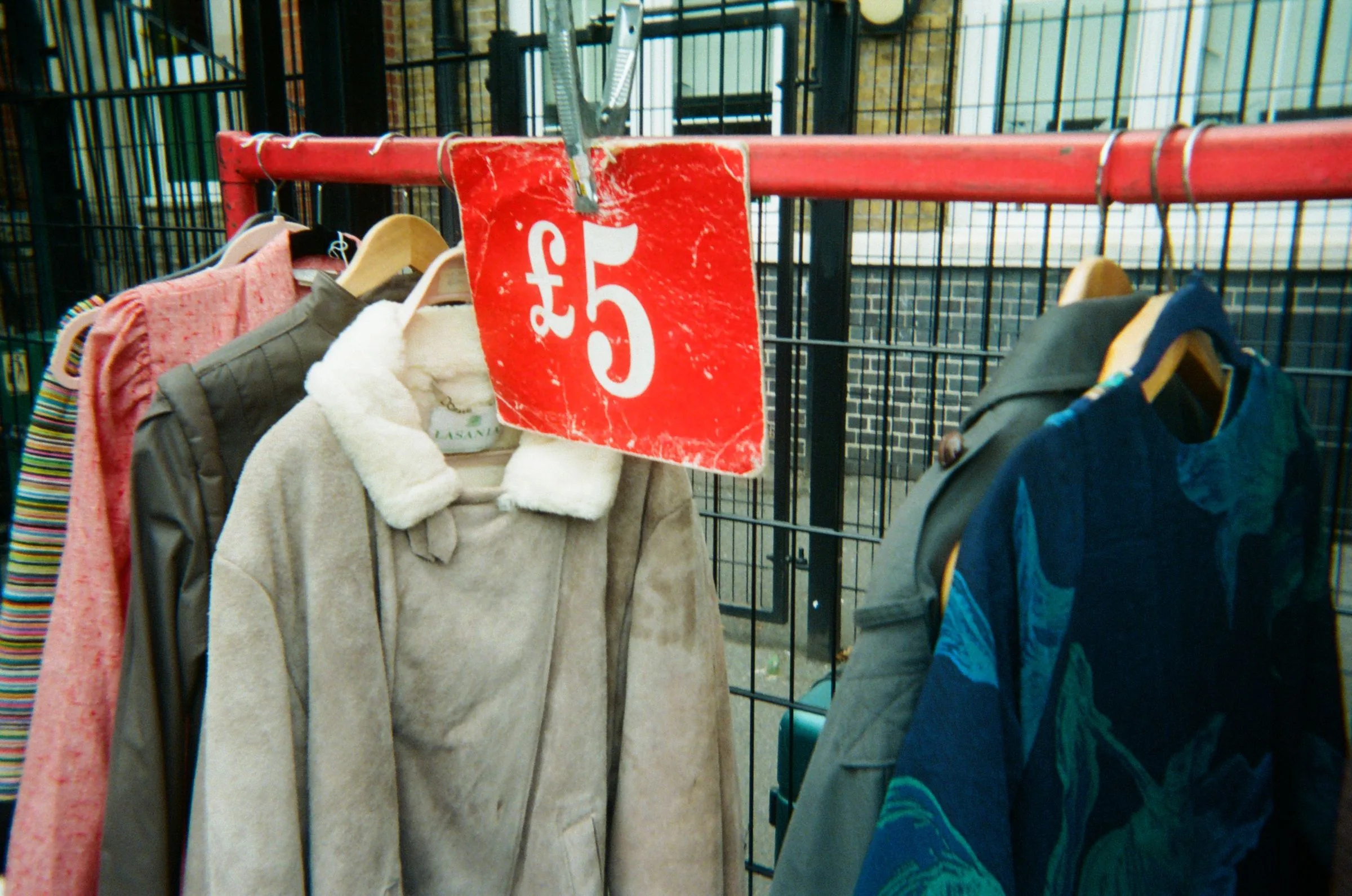
A £5 price tag hanging from a rail of coats at a market

More people are reselling. It's more competitive.

Kez, UK · part time · 3–5 years

The sourcing squeeze

Sourcing is a close second on resellers' list of frustrations. 64% still source from charity shops and thrift stores, alongside car boots, flea markets and their own wardrobes, the same rails as everyone else. The fear that comes up most often is that the job is becoming too competitive, with more sellers chasing the same stock every month.

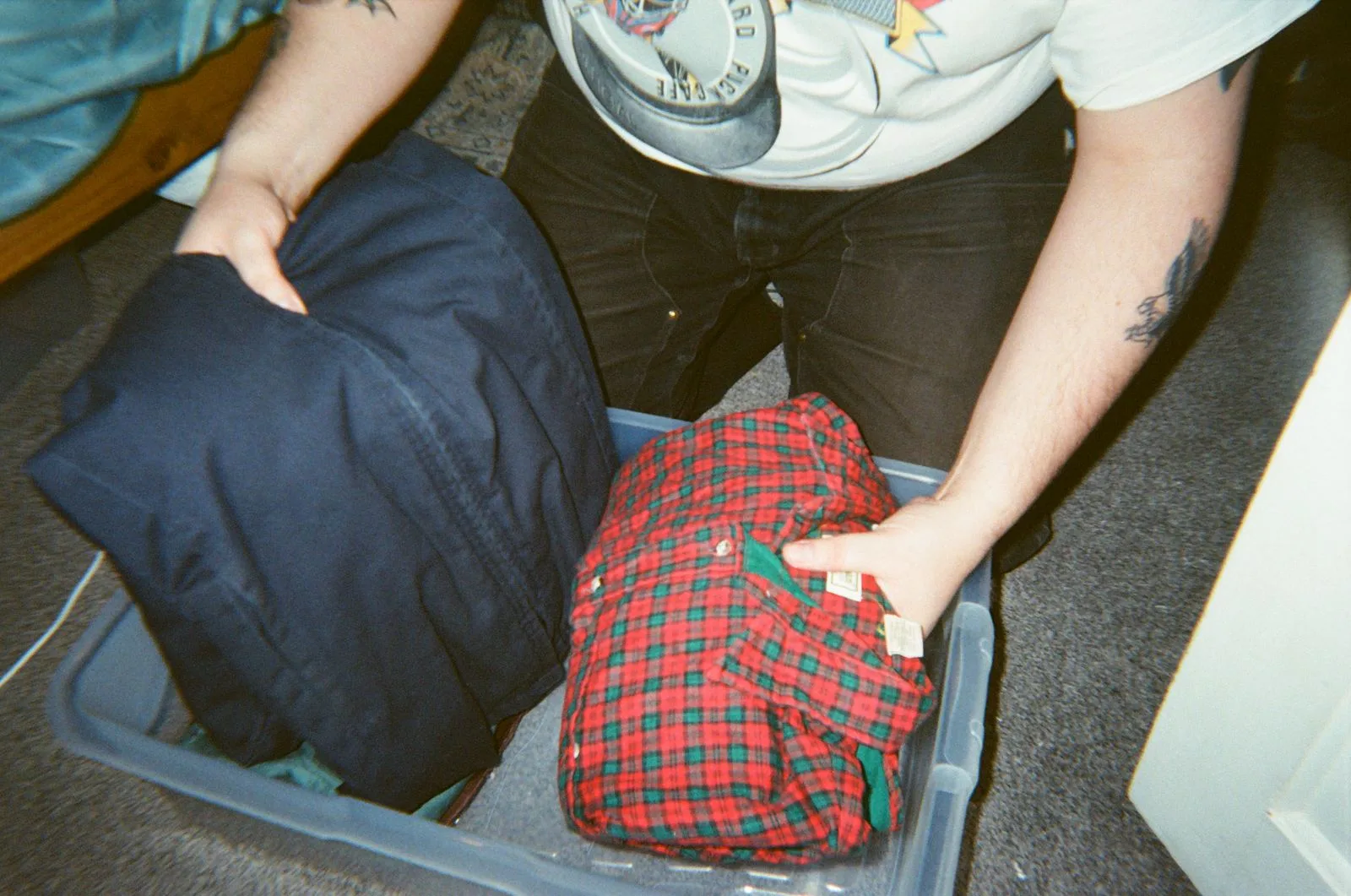
Hands packing folded shirts into a plastic storage tub

47%

of resellers say the biggest problem facing the industry is “too many resellers.”

The same rails get picked over by more people every month, so stock is harder to find, and when it is found the same pieces end up listed side by side, leaving price as the only thing left to compete on.

The answer isn't fewer sellers. It's more stock.

New regulations = new opportunities for stock

Resale runs in a supply-constrained market. A wave of EU regulation is set to change that: less clothing burned or landfilled, and more of it flowing into collection, sorting and reuse.

At publication · Sep 2026
2025202620272028
In force since 1 January 2025

Separate textile collection

Textiles can no longer go in general waste. Every EU member state must collect them separately.

For resellersMore garments captured for sorting and reuse instead of lost to landfill.

Applies to large companies from 19 July 2026, medium-sized from 2030

Ban on destroying unsold clothes

Under ESPR, brands can no longer destroy unsold apparel, accessories and footwear, and must disclose what they discard (standardised format from February 2027). Micro and small businesses are exempt.

For resellersOverstock and deadstock need somewhere to go. Expect more new-with-tags and liquidation stock.

National schemes must be running by 2028, rules in force since October 2025

Textile EPR

Extended producer responsibility: brands pay fees that fund collection, sorting and recycling. Less sustainable products can be charged more.

For resellersInvestment flows into sorting, the stage where resale stock gets graded.

What this means for resellers

For resellers struggling to differentiate themselves, there’s an opportunity in two areas: overstock that regulation is pushing into the market, and pieces made from what would otherwise have been thrown away.

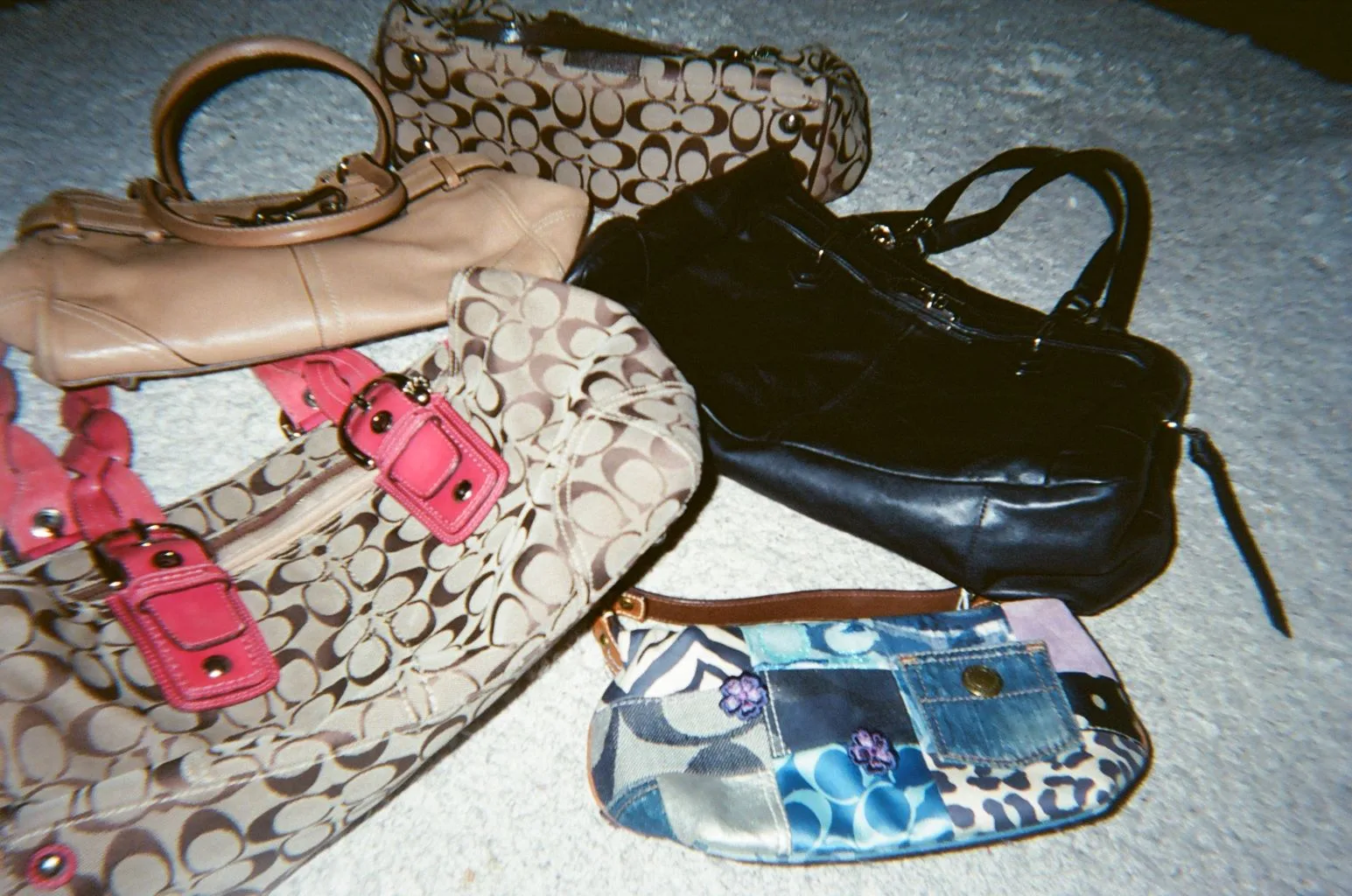
Coach handbags and shoes laid out on a carpet

Liquidation, returns, overstock

44%of resellers are interested in liquidation stock but haven't bought any yet, on top of the 16% who buy it regularly

As destruction bans take hold, new-with-tags (NWT), new-without-tags (NWOT), customer returns and liquidation stock are becoming a priority for resellers who want to stand out and scale. It's stock no one else pulled off the same charity shop rail, and it lets resellers compete on something other than price.

I have considered selling NWT stock, it’s ideal for live stream selling which would diversify my income even further. NWT stock also gives me the potential to scale my static platforms further, as I don’t need to spend time grading or washing each item.

Sam, UK · full time · 3 years
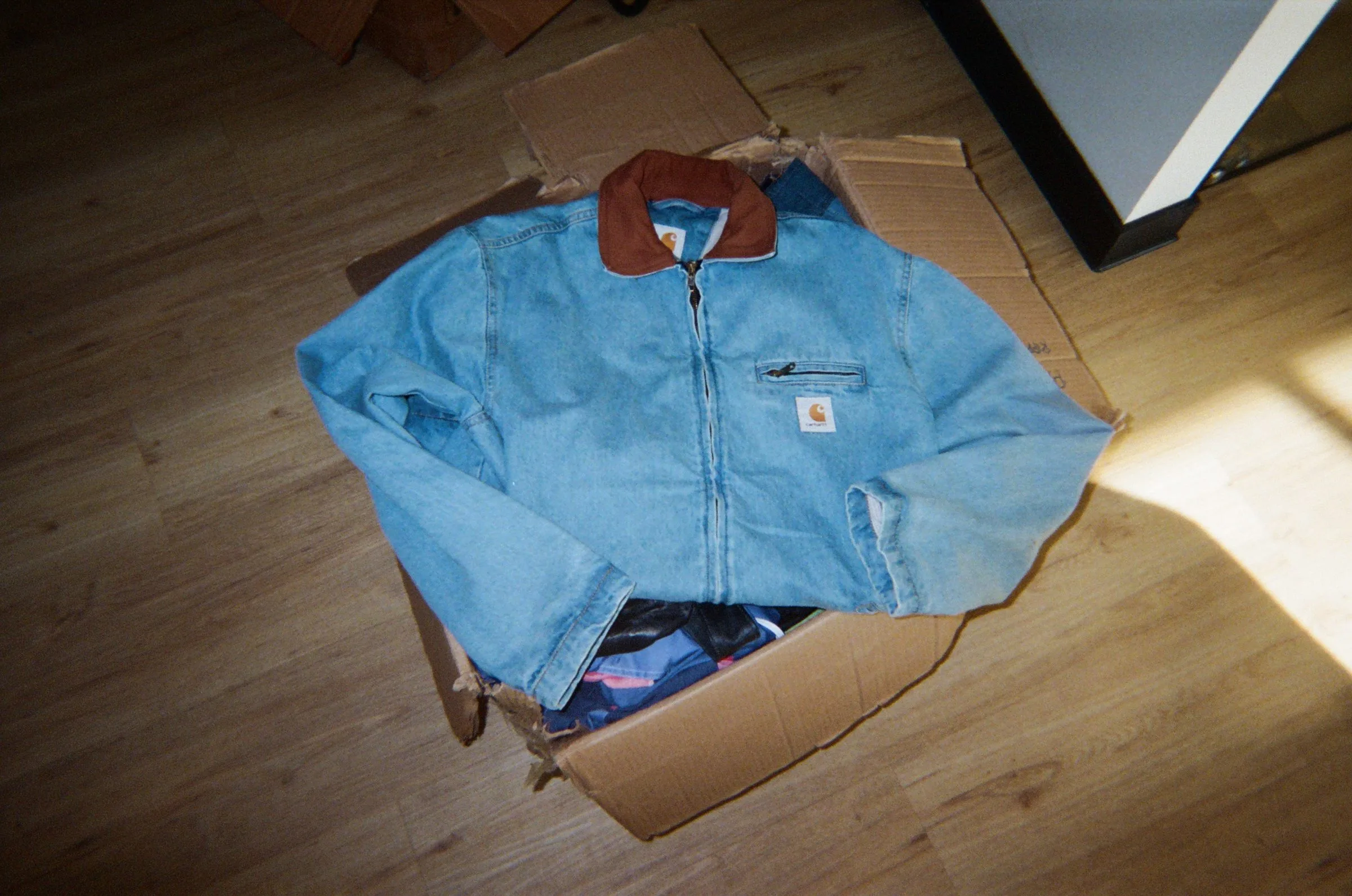
A Carhartt denim jacket folded on top of an open box of stock

Can’t source it? Upcycle it.

Upcycled stock isn't just a trend, it's how you fill those hard to source gaps with styles you can order time and again.

Eleanor Gall, Head of Upcycled at Fleek

If supply is the constraint, upcycling is one of the few ways to create more of it. It takes garments that would otherwise be landfilled (damaged, stained or simply unsellable) and reworks them into new, one-of-a-kind pieces. It adds supply to the market with a unique and individual spin instead of competing for the same stock.

Chapter Four

Fleek's Top 20: The Resale Index

The 20 most in-demand brand-and-category combinations on Fleek this season, ranked by Heat, with the year-on-year move behind every one.

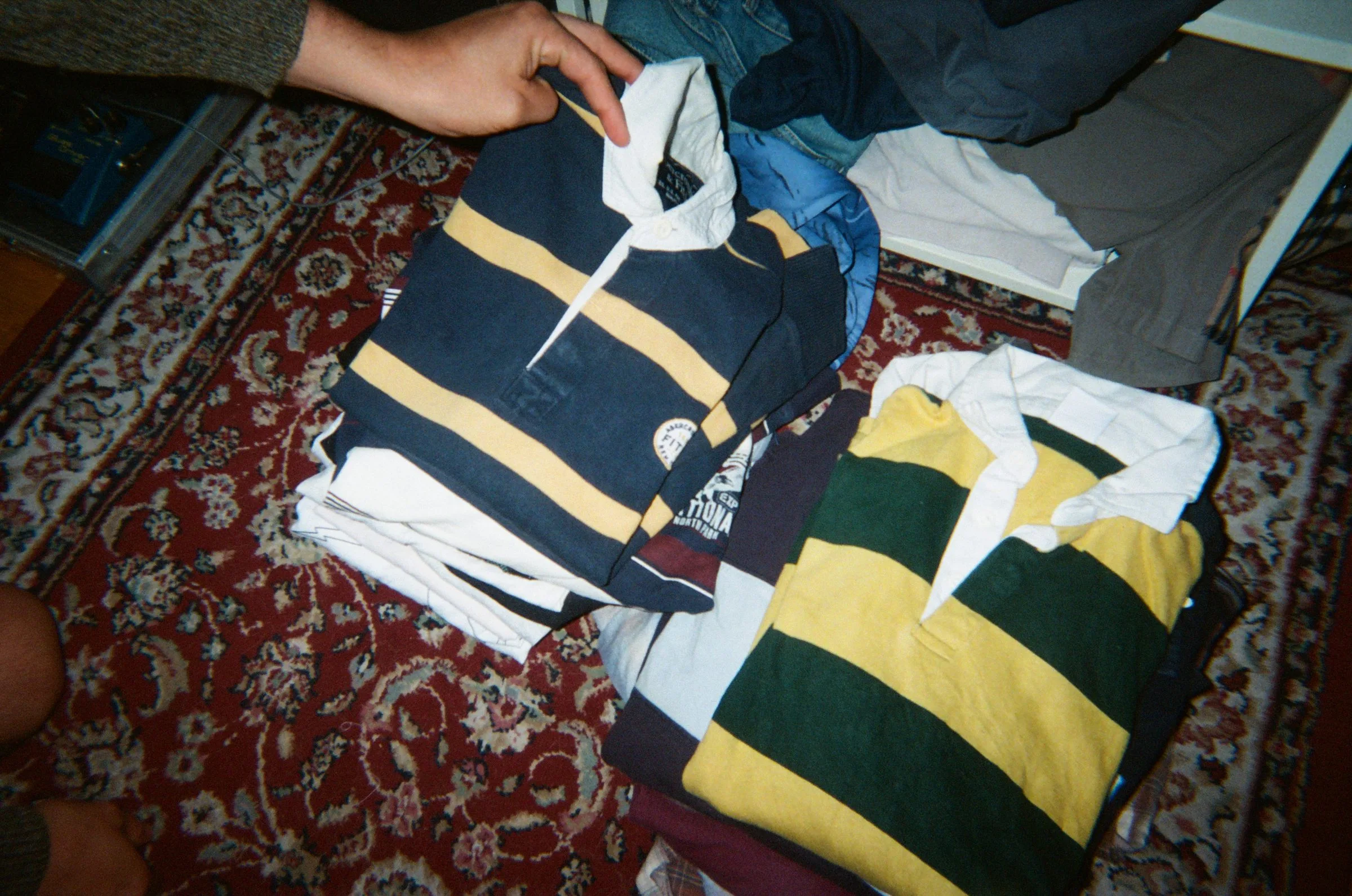
Striped rugby shirts folded out across a patterned rug

Fitness-related brands like Gymshark, Lululemon, Under Armour and Nike have gotten easier and a bit cheaper to source.

Liam, Ireland · part time · under 6 months

What’s hot right now

The 20 brands and categories seeing the strongest demand on Fleek this season, based on what buyers are searching for, viewing and buying compared with the same period last year.

Heat

A score out of 100: how in-demand something is right now, ranked against everything else on Fleek.

Demand YoY

The change against the same dates last year, with the calendar held constant, so a rise is a genuine shift in taste.

The Call

Surging = more than doubled, Rising = up a quarter or more, Steady = roughly flat, Cooling = down a quarter or more.

Table 01

The Brand 20

#BrandHeatDemand YoYCall
1Ralph Lauren100+14%STEADY
2Nike96+24%STEADY
3Carhartt92−44%COOLING
4Lululemon92+74%RISING
5Lacoste80+95%RISING
6The North Face77+19%STEADY
7Juicy Couture75+25%RISING
8Adidas73+141%SURGING
9Patagonia73+14%STEADY
10Coach71+161%SURGING
11Tommy Hilfiger70+42%RISING
12Levi's67+61%RISING
13Almost Famous61+51%RISING
14Burberry59−55%COOLING
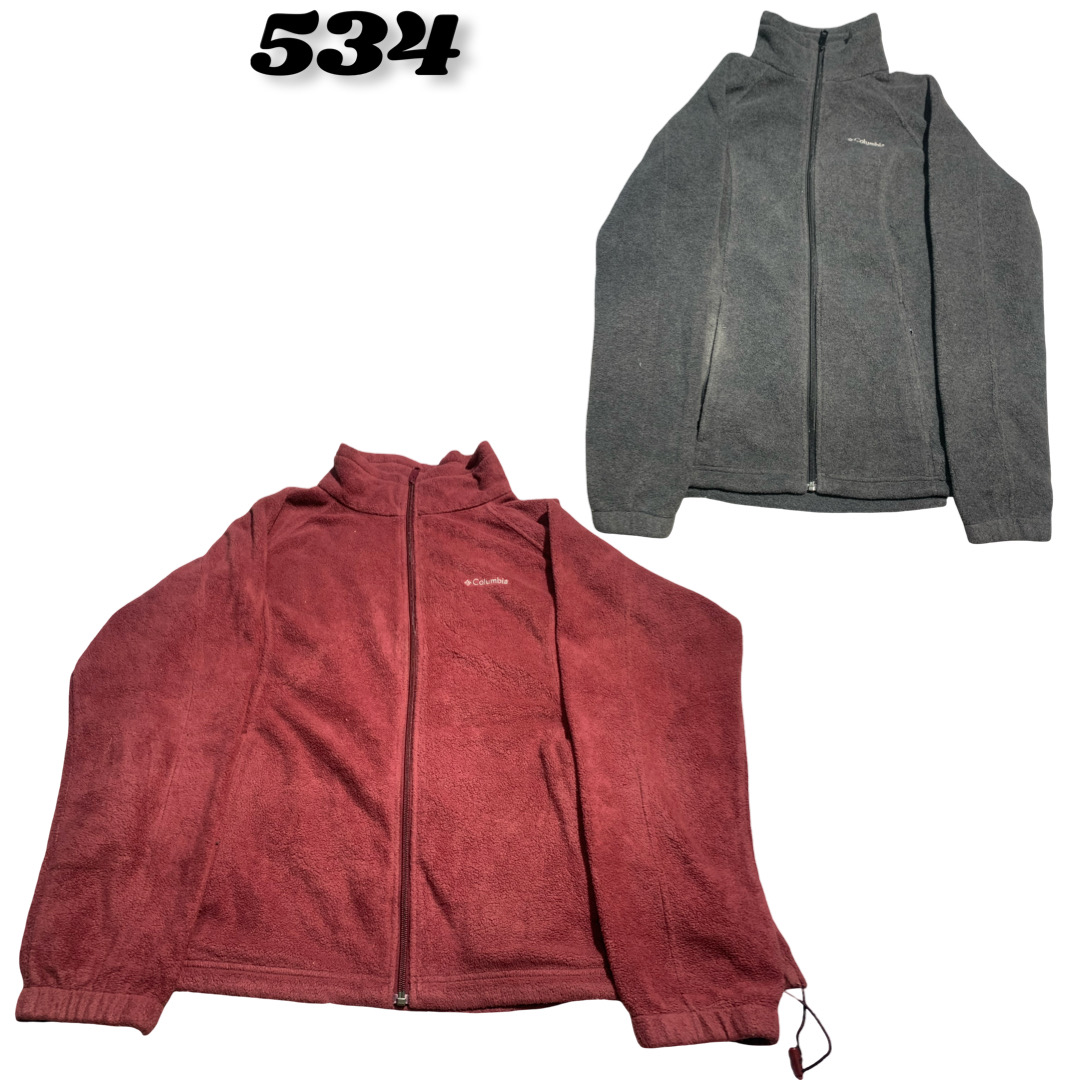
15Columbia58+238%SURGING
16Under Armour52+486%SURGING
17Gymshark48+97%RISING
18True Religion37−22%STEADY
19Barbour36+67%RISING
20Harley-Davidson32+51%RISING

Reading the Brand 20

Shop in-demand

Ralph Lauren holds Heat 100, but it has stopped growing (+14%). It is by far the biggest brand on the platform and essentially flat, all the movement is underneath it: Under Armour +486%, Columbia +238%, Coach +161%, Adidas +141%, each rising on sales, product views and search together rather than on one lucky measure.

New entrants this season: Almost Famous, Gymshark, Barbour and Harley-Davidson. Only two brands are genuinely in retreat, Burberry −55% and Carhartt −44%.

Table 02

The Category 20

#CategoryHeatDemand YoYCall
1Sweater100+68%RISING
2Plain T‑Shirt99+73%RISING
3Fleece Jacket98+16%STEADY
4Basic Camisole97+193%SURGING
5Polo Shirt95−5%STEADY
6Printed T‑Shirt94−27%COOLING
7Bootcut Jean93+277%SURGING
8Nylon Short92+483%SURGING
9Mixed Jean91+40%RISING
10Active Legging90+28%RISING
11Button‑Up Shirt88+13%STEADY
12Hoodie87−29%COOLING
13Crewneck Sweatshirt86−31%COOLING
14Printed Blouse85+195%SURGING
15Track Pant84−5%STEADY
16Flare Jean83+11%STEADY
17Track Jacket80−11%STEADY
18Basic Tank79+271%SURGING
19Quarter Zip78−7%STEADY
20Denim Mini Skirt77+14%STEADY

Reading the Category 20

Sweater is the highest-Heat category on Fleek and still growing (+68%). The sharpest movers are basic tank +271%, printed blouse +195% and basic camisole +193%, going-out tops, not outerwear.

The finding worth leading on: hoodies and crewnecks are the season's clearest losers, down 29% and 31% while the rest of the board rises. Denim is the opposite story, bootcut +277% is the strongest pairing of scale and growth anywhere in the index, with flares and straight-leg holding flat.

What's on the rise

With 39% of resellers sourcing every week, knowing what's gaining momentum is half the battle. Ralph Lauren remains the undisputed king of resale, but some brands and categories are rising far faster this season.

Table 03

Fastest-rising fashion searches

Table 04

Fastest-rising non-apparel searches

Spelling and word-order variants are combined into one entry.

Chapter Five

Your A/W’26 Sourcing List

Knowing what's hot is only half of it. Here's what to source for the season ahead, and where to find it.

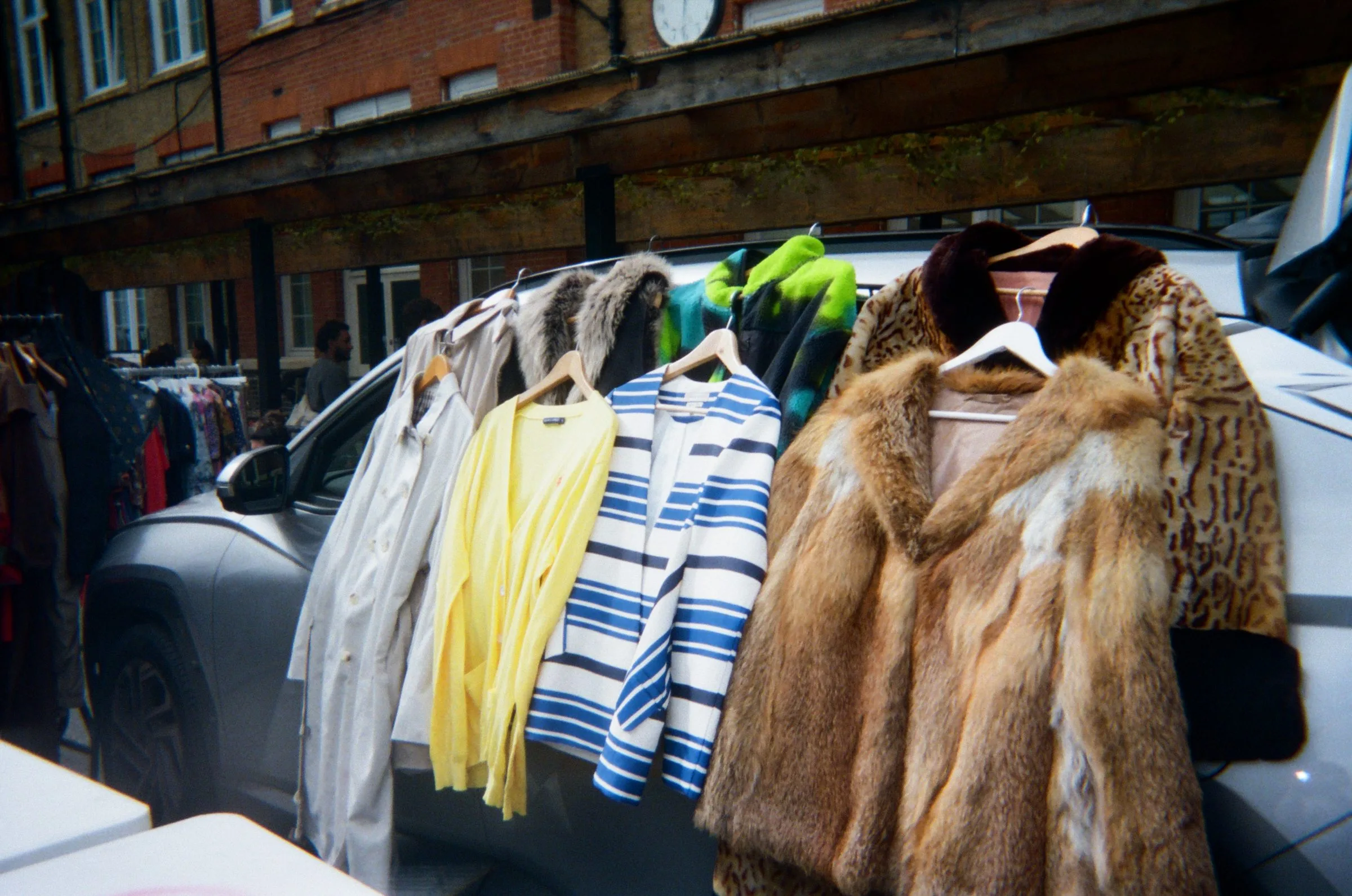
Fur coats and knitwear hanging on a rail beside a van at a market

I’ve gotten better at considering condition, brand, trends, pricing and profit margin before purchasing inventory.

Elisabeth, USA · full time · 5+ years
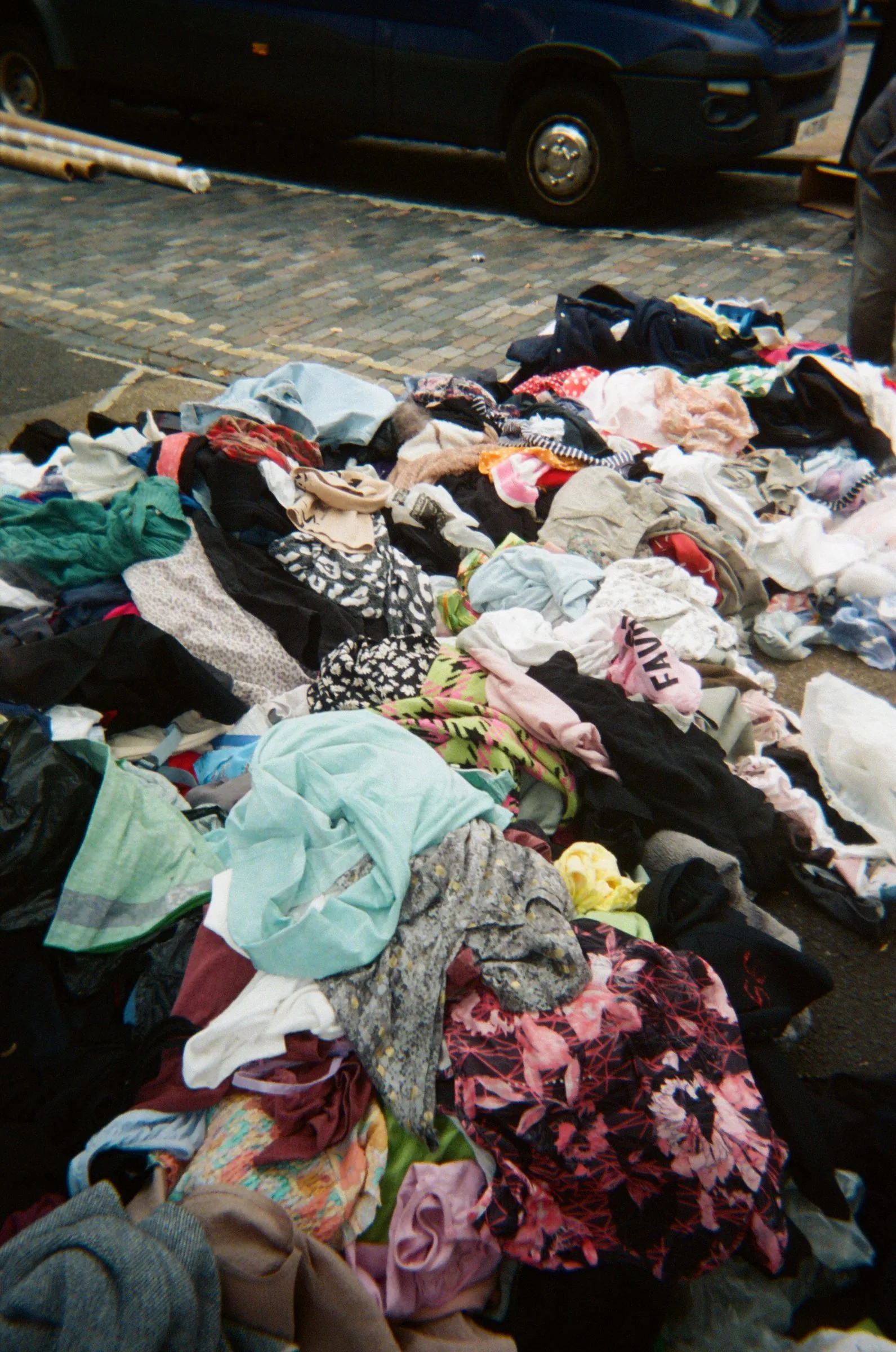
Clothes spread out across a cobbled street beside a parked van

The future of resale isn’t just about shifting products; it’s about shifting culture. The next era of resale belongs to communities that trade, learn, and grow together, proving that sustainable fashion is not a trend, but a permanent movement.

Chloe, UK · full time · 6 years

Prepping for the season ahead

Resale is professionalising at speed. Resellers are building real businesses, moving between platforms without sentiment and going live to beat the listing grind.

Five things to take into Autumn/Winter 2026

  1. Don't rely on one platform

    41% of resellers moved last year, and bans can hit even rule-following businesses.

  2. Live selling rewards commitment

    79% of regular live sellers say it beats standard listings, against 37% of occasional ones. If you're going live, plan your stock pipeline before your streaming schedule.

  3. Differentiate your stock

    With 47% worried about too many sellers in the market, unique supply beats a race to the bottom on price.

  4. Watch the new supply

    EU rules are pushing more NWT, overstock and upcycled stock into the market.

  5. Buy early for the season

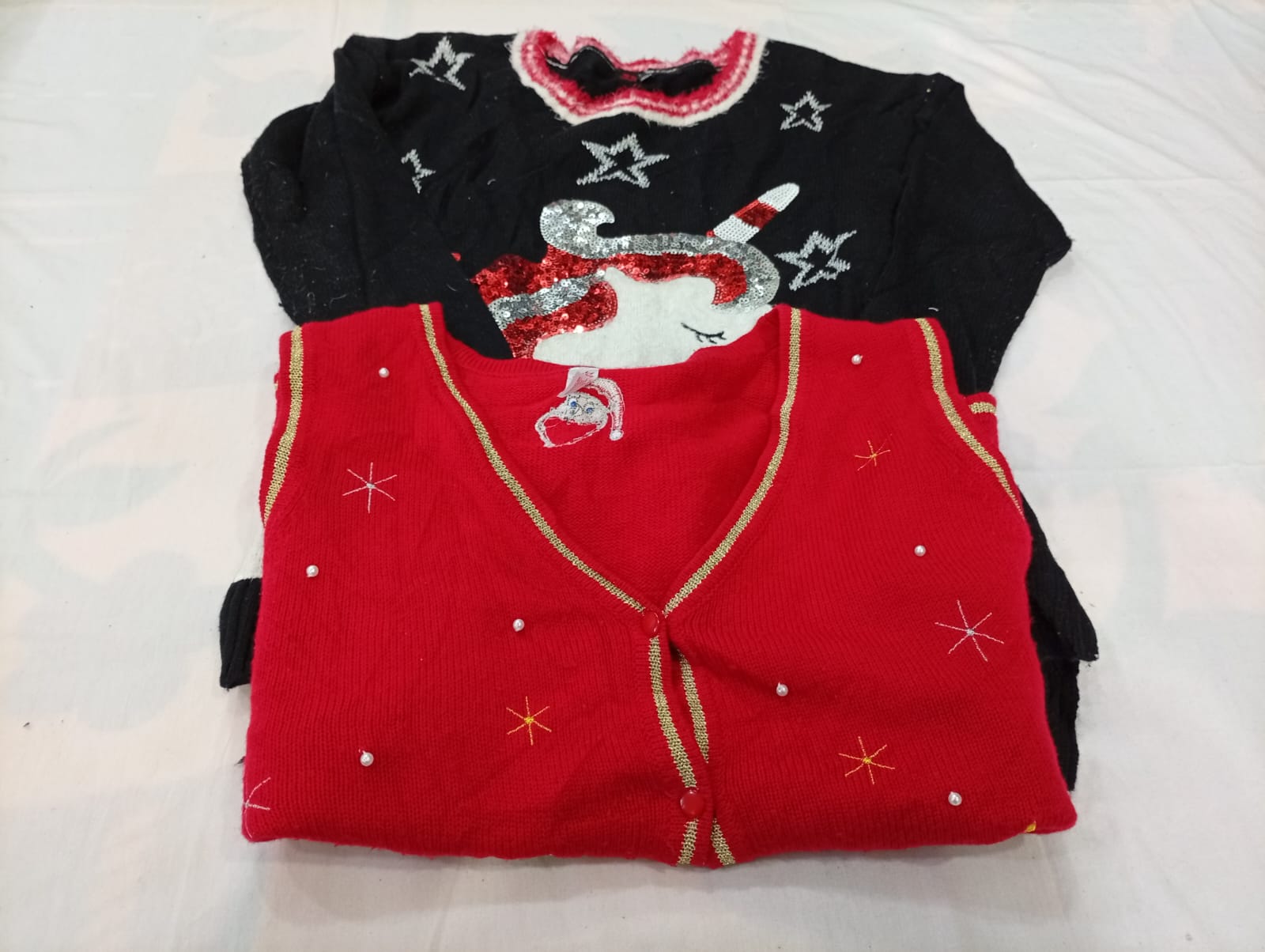
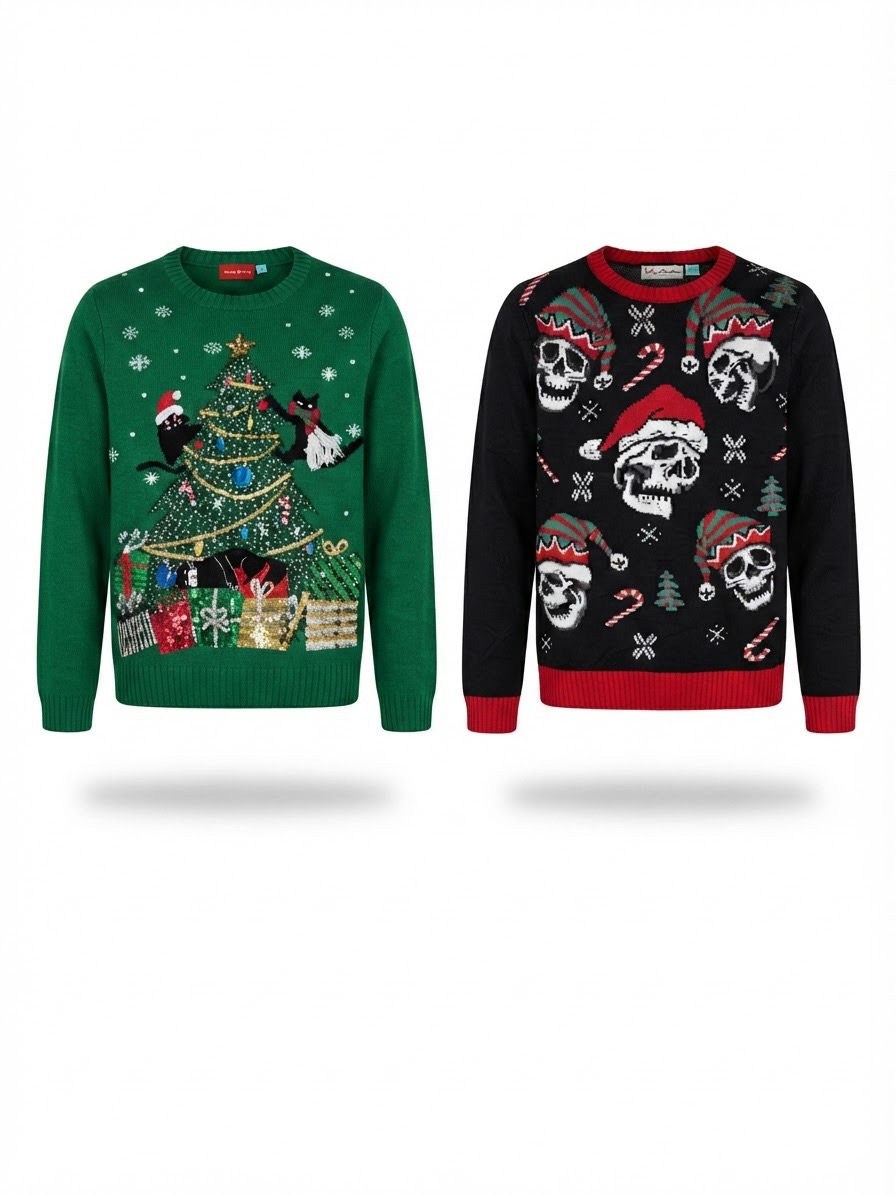
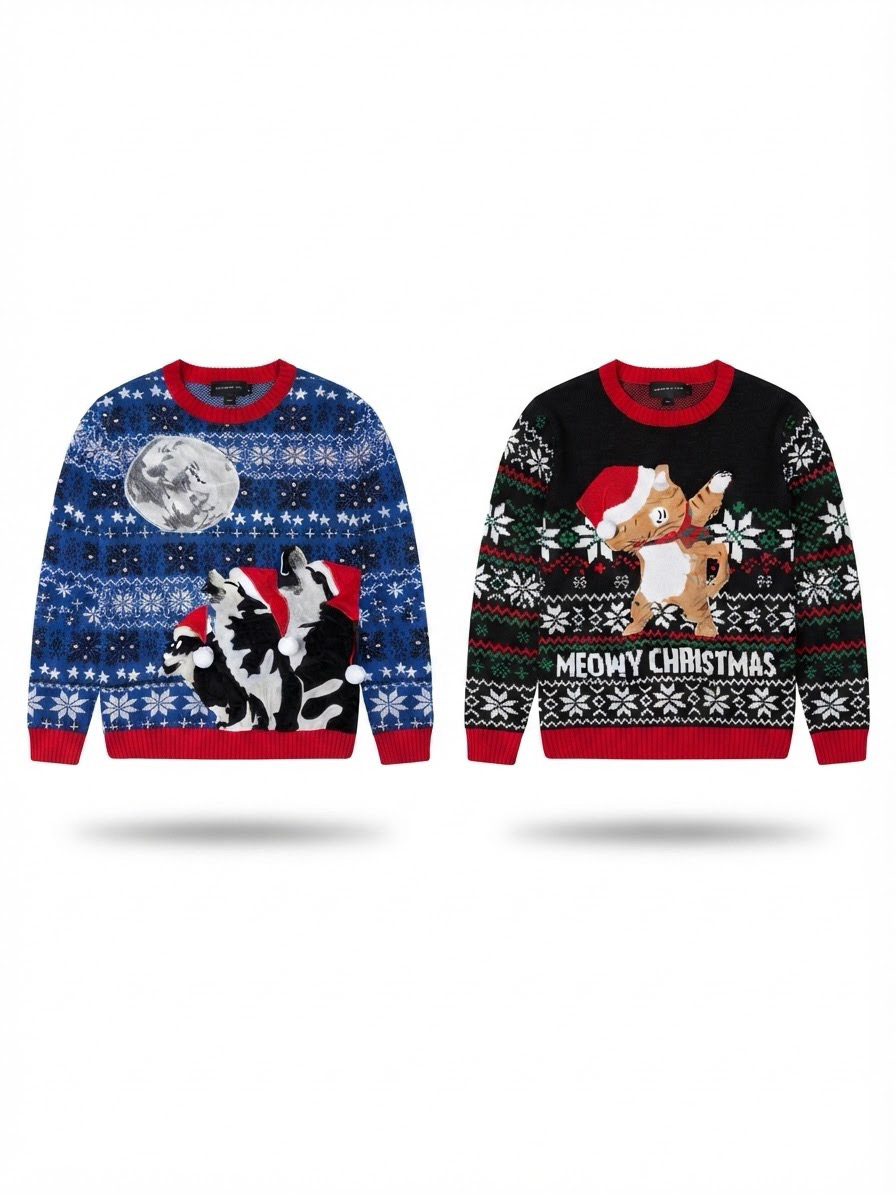
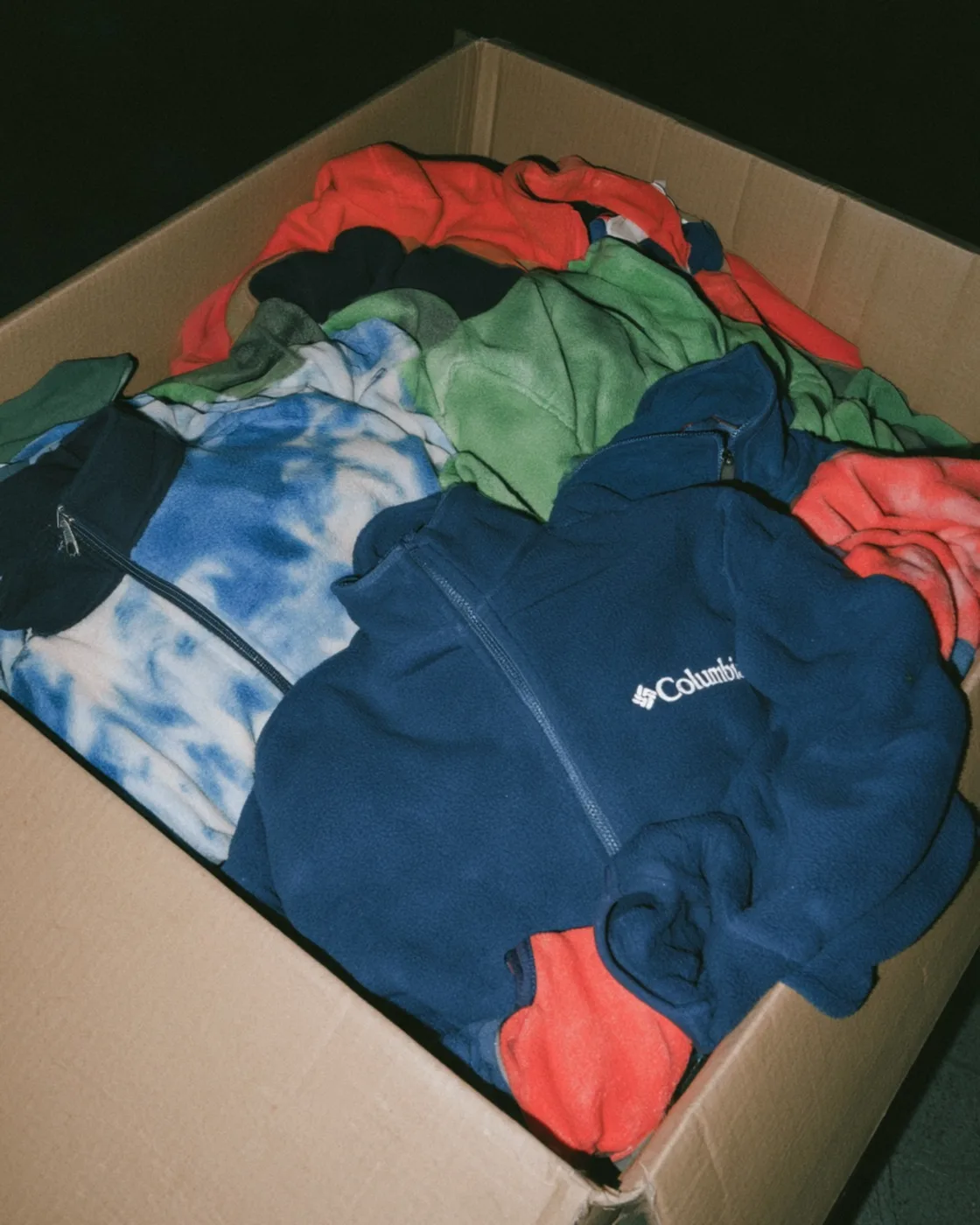
    Christmas knits, Y2K mall brands and outdoor fleece are already moving.

Two members of the Fleek team on a sofa, one holding a Fleek sign

The strongest signal from our first Resale Report is that reselling has grown up. What started for many as a way to make extra cash is now a serious business, and that changes what sellers need. If you’re selling across multiple platforms, going live regularly and paying your bills with resale, you can’t rely on finding the right stock in a charity shop at the weekend. You need reliable access to inventory and better information about what people actually want. As the marketplace sitting between both sides of this global supply chain, we have a unique view of these challenges and opportunities, and we only see them growing as resale becomes a bigger part of retail.

Abhi Arora, Co-founder and CEO at Fleek
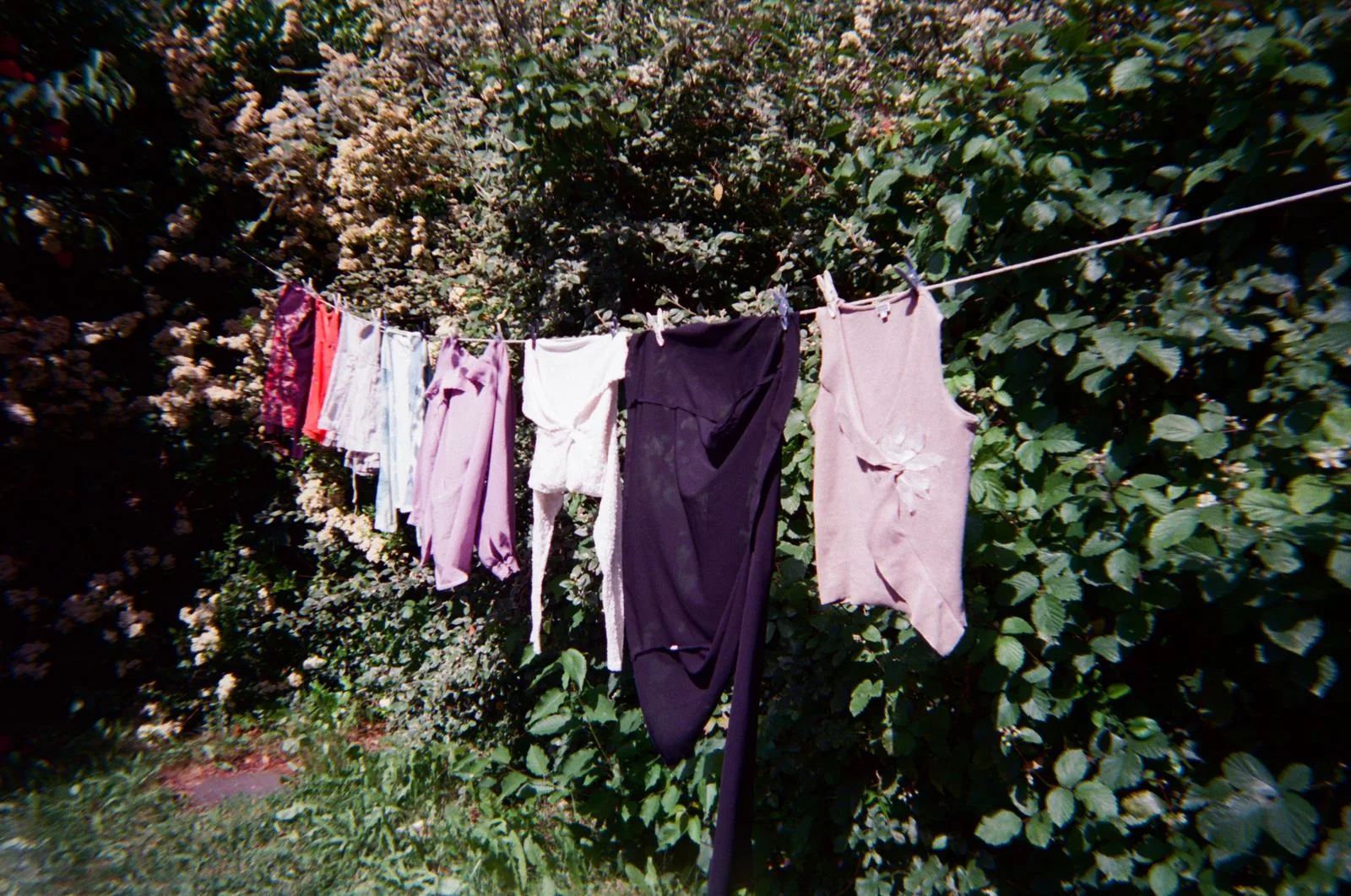
Secondhand clothes drying on a washing line in a garden

About this report

Everything in this report comes from one of three places: our own survey of resellers, Fleek's own marketplace data, or published EU regulation and official statistics. This appendix sets out how each was produced, what the bases are, and where the limits lie.

At a glance
PublisherFleek
Survey fieldwork27 August to 8 September 2026
Survey methodOnline self-completion. Non-probability, self-selecting sample
Completed responses339 resellers in 22 countries
WeightingNone applied. Figures are unweighted counts of respondents
Marketplace data window20 July to 13 September 2026, against 21 July to 14 September 2025
Published24 September 2026

Suggested citation. Fleek, The State of Resale: Autumn/Winter 2026, September 2026.

Press and data enquiries. Antonella Scimemi, antonella@burlington.cc. Full question wording and topline tables are available on request.

A. The reseller survey

What it was. An online survey of people who resell clothing, run by Fleek and recruited through Fleek's own channels and reseller communities. Participation was voluntary, and a screening question routed non-resellers out.

Fieldwork. 27 August – 8 September 2026, a 13-day window. Median completion time was 11.7 minutes.

How the sample resolves

StageResponses
Responses received341
Internal test entries removed−2
Screened out as a non-reseller−1
Abandoned part-way−1
Completed responses analysed339
of which, currently reselling328
of which, no longer reselling11

The four bases used in this report

Different questions were asked of different groups, so the base changes between charts. Every chart states its own.

BasenUsed for
All completed responses339Motivations, demographics and business shape. Anything asked of everyone
Current resellers328Platforms, live selling, sourcing and frustrations. Anything about how they trade today, so it excludes the 11 who no longer resell
Current resellers in the UK and EU264The platform figures in Sections 1 and 2. US respondents are excluded because Poshmark and Mercari barely exist outside North America, and including them understates the European picture
Ban stories95The reasons sellers were given for a ban or restriction. 92% came from UK and EU respondents, so that split is effectively already a UK and EU figure

Where respondents were based

United Kingdom 182 · United States 52 · France 33 · Germany 13 · Ireland 6 · Belgium, Italy and Portugal 5 each · Romania, Canada and Pakistan 4 each · Netherlands, Finland, Poland, Spain and Sweden 3 each · Austria, New Zealand and Norway 2 each · Czech Republic, Lithuania and Australia 1 each, making 22 sovereign countries. Scotland, Wales and Northern Ireland are counted within the United Kingdom, as are respondents who gave only a county or town. One further respondent was in the Channel Islands (a Crown Dependency, so not counted as a separate country) and one gave only “Europe”.

Generational fingerprint bases. 18–25 n=150 · 26–45 n=121 · 46–60 n=38, all current resellers.

How to read the charts

Three shapes appear in this report, and only one of them totals 100%.

  • Single select. One answer per person, so it totals 100%. Example: the one platform that earns them most.
  • Multi-select. Several answers per person, so it totals more than 100%. Example: which platforms they sell on, or why they resell, where up to three reasons were allowed.
  • Independent bases. Each row is its own group and its own 100%. Reading down a column shows how something changes across groups; it is not a split of one total. Example: the full-time rate by length of time reselling, or the ban rate by platform.

Derived measures

  • Monthly sales were collected in bands, so medians use band midpoints: under £250 → £125 · £250–750 → £500 · £751–2,000 → £1,375 · £2,001–5,000 → £3,500 · £5,001–10,000 → £7,500 · over £10,000 → £12,500. The top band is capped, so any total built from it is conservative.
  • Generational fingerprints index how often each age group gave a reason against the average for all current resellers: 100 = average, 181 = 81% more likely, 60 = 40% less likely. The 26–35 and 36–45 bands were merged because their answers were near-identical. Respondents over 60 (n=7) and those who preferred not to give an age (n=12) are included in all totals but are not shown as groups, because the bases are too small to index.
  • Win rate is the share of a platform's users who name it their single biggest earner, counting only resellers who sell on at least one other platform. It is the fair comparison, because only sellers with an alternative are included.
  • UK and EU covers respondents who gave a UK nation, a UK county or town, or an EU member state. Everyone else sits outside it, including the US, Canada, Australia, New Zealand, Norway and Pakistan.

Precision and weighting

This is a non-probability sample. Respondents opted in rather than being drawn at random from a known population of resellers, so a margin of sampling error does not apply and none is quoted. Standard significance testing assumes random selection, so we have not run it, and no difference in this report is described as statistically significant. Differences are reported as they were observed, with the base beside them. No weighting has been applied: every figure is an unweighted count of respondents, so the sample's own shape, including its UK weighting, carries straight through to the numbers.

Limitations, stated plainly

  • The sample is self-selecting, recruited through Fleek and reseller communities. It is not a random or quota sample of all resellers, and it over-represents the UK (54% of respondents) and the platforms Fleek's audience uses. Read it as a detailed picture of an engaged reselling population, not a census of the market.
  • Every figure is self-reported, including sales, income share and ban histories. None is independently verified.
  • Where a base falls below about 30 we say so beside the figure, and it should be read as direction rather than precision.
  • The survey did not ask when respondents expect to go full time, so this report makes no claim about timeframes.
  • Fieldwork ran over 13 days in late summer, and the seasonal questions reflect that moment.

Quotes and consent

The survey's final question asked “Would you like to be featured in the report?” Respondents chose one of four options, and we used them as follows:

What they chosenHow we used it
“Quote me from what I've written”98The only group named in this report, and then by first name and country only
“Happy to be interviewed”143Quoted anonymously. Agreeing to an interview is not the same as agreeing to have a written survey answer published under your name
“Anonymous only”84Quoted anonymously
“No thanks”14Not quoted anywhere in this report, named or anonymous

No surname, handle or shop name appears anywhere, and no respondent is identified by city. Quotes are lightly edited for length and clarity; meaning is never changed.
B. Fleek platform data

What it is. Anonymised, aggregated buyer activity on the Fleek marketplace. Three signals are measured together, sales, product-page views and on-platform searches, so a brand rises in the index only when demand moves on more than one of them.

The window. 20 July – 13 September 2026, against the weekday-aligned 21 July – 14 September 2025. Aligning weekdays holds the shape of the calendar constant, so a rise reflects a genuine shift in demand rather than the season turning.

The Sourcing Index columns

  • Heat. A score out of 100, ranked against everything else on Fleek in the window. Size, not direction.
  • Demand YoY. The percentage change against the same window last year. Direction, not size.
  • The Call. Derived arithmetically from Demand YoY: Surging more than doubled · Rising up a quarter or more · Steady roughly flat · Cooling down a quarter or more.

Screening. To strip out type-ahead fragments and noise, a brand or category qualifies only with at least 400 searches in the current window, 80 in the comparison window, 60 distinct buyers, and more than 1.5 searches per buyer.

vs market. Divides a brand's search growth by Fleek's own search growth over the same window (2.39×). 1.0× means it merely kept pace with the platform.

Two different things, kept apart. “Brands resellers stock” (Ralph Lauren 33%) comes from the survey and describes sellers. “Heat” and “Demand” come from Fleek and describe buyers. They are different measures on different populations and are never combined into one figure.

C. Regulation and official statistics
The ruleStatusSource
Separate collection of textilesObligatory since 1 January 2025Waste Framework Directive, Article 11, as amended by Directive (EU) 2018/851
Textile extended producer responsibilityIn force 16 October 2025. Member states must transpose by 17 June 2027 and have EPR schemes running by 17 April 2028European Commission: revised Waste Framework Directive enters into force
Ban on destroying unsold clothes and shoesApplies to large companies from 19 July 2026 and medium-sized from 2030. Micro and small businesses are exempt from the disclosure and record-keeping requirementsEuropean Commission: ban on destruction of unsold clothes and shoes enters application
Textiles destroyed before use: 4–9% of products put on the EU market, or 264,000–594,000 tonnes a year, with a climate impact of up to 5.6 million tonnes CO₂ePublished 4 March 2024European Environment Agency: The destruction of returned and unsold textiles in Europe's circular economy
D. Definitions used in this report
TermWhat it means here
Full timeReselling is the respondent's main occupation
Part timeReselling alongside a job, study or caring responsibilities
OccasionalReselling now and then, with no regular pattern
TenureHow long the respondent has been reselling, self-reported in bands from under 6 months to 5+ years
Top platformThe single platform a respondent says earns them the most money. One answer only
Live sellingSelling to a live video audience, on Whatnot, TikTok Shop, Instagram or similar, rather than through static listings
NWT and NWOTNew with tags and new without tags: unworn stock that has never been sold to a consumer
Liquidation stockBulk overstock, customer returns or end-of-line inventory bought from a liquidator rather than sourced piece by piece
DeadstockUnsold inventory a brand or retailer never shifted, still in original condition
UpcycledGarments that would otherwise be waste, reworked into new one-off pieces
HandpickingSelecting stock item by item, as opposed to buying graded bales or bulk lots
E. Conventions and corrections
  • Percentages are rounded to whole numbers, so a column may not sum to exactly 100.
  • Money is shown in pounds sterling as respondents reported it. No currency conversion has been applied.
  • Charts built on fewer than about 30 respondents carry their base beside them and should be read as direction rather than precision.
  • EU rules bind EU businesses. UK and US resellers are not directly subject to them, but the brands and stock flows they touch are global.
  • Fleek's own commercial collections are linked from the sourcing sections. They are merchandising, not evidence, and no statistic in this report is drawn from them.
  • Corrections. If an error is found after publication we will correct it in this document and note the change and its date here. Version 1.0, published 24 September 2026.

The State of Resale · Autumn/Winter 2026